The three-thousand-year-old pithoi1, the ancient ruins in the plateau of Lasithi2, the crystalline Mediterranean & Aegean seas, the sacred elder olive trees… remnants of Krētē3 live within me, these mortal bones and eternal soul that intuitively, intrinsically know: My mother and her mother and hers have all instilled Minoan wonders that will forever stir our matrilineage and revivify each time I honor my heritage.
Photo Credit: Wikimedia Commons user Palauenc05
Οι πίθοι, τα αρχαία ερείπια στο Λασίθι, η κρυστάλλινη Μεσόγειος & το Αιγαίο Πέλαγος, οι ιερές ελιές… απομεινάρια της Κρήτης ζουν μέσα μου, σε αυτά τα κόκαλα και την ψυχή που γνωρίζουν διαισθητικά: Η μάνα μου και η μάνα της και η δική της έχουν ενσταλάξει Μινωικά θαύματα που θα εμπνέουν για πάντα τη γενεαλογία μας και αναβιώνουν κάθε φορά που τιμώ την κληρονομία μου.
While I may have acquired generational trauma, I’ve also had a rich culture passed down to me, and for that, I’m infinitely grateful. The aforementioned trauma has made it difficult to connect with my heritage in the traditional sense (i.e., discussing my lineage with my family), but I connect in my owns ways: through poetry, this blog, cooking authentic Cretan cuisine, reimagining ancient clothing, reading/learning about Minoan Crete, writing in my mother tongue, etc. 🇬🇷
large, ancient storage jars used to store and transport liquids and grains ↩︎
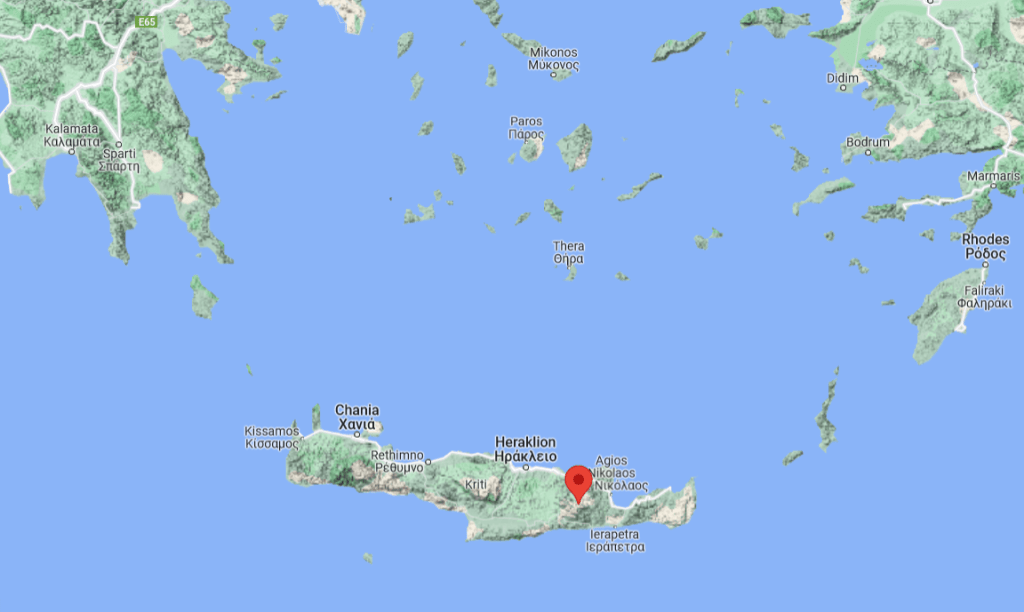
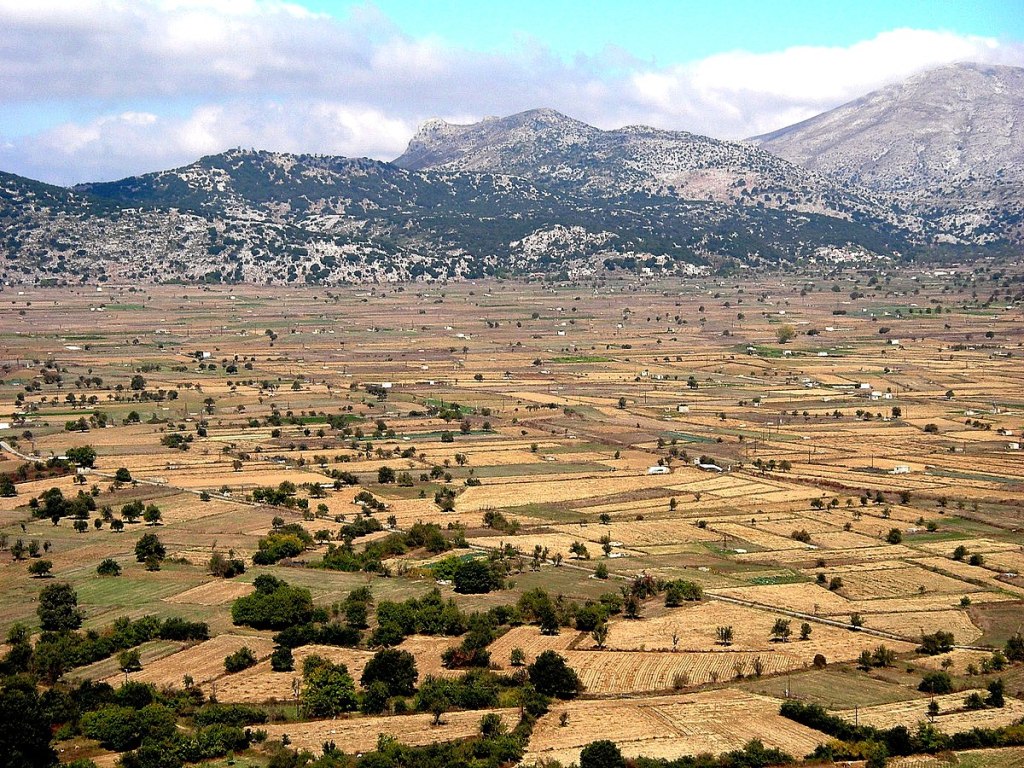
Located in Eastern Crete, Lasithi houses ancient sites like the Minoan palace of Zakros and the cave of Trapeza. ↩︎
In Greek, Crete is not pronounced “creet”, it’s pronounced “krEEtee”. ↩︎
Through the use of mitochondrial DNA (mtDNA) analysis of dental remains, Greek and American researchers have made strides in pinpointing the connection between modern Cretans and the “Cretans” of long ago. While this was discovered in 2013, I only just came across this information. Two years prior to that fated day, when I was in Crete walking around Knossos, I half-jokingly asked my aunt if we can be related to the Minoans. “Όχι βέβαια,” (of course not) she replied with a chuckle. But as far as I knew, my maternal side was Cretan: my mom, my grandma, my great-grandma, my great-great grandma… you get the point. So, the idea was not too far-fetched, especially now with a scientific backing.
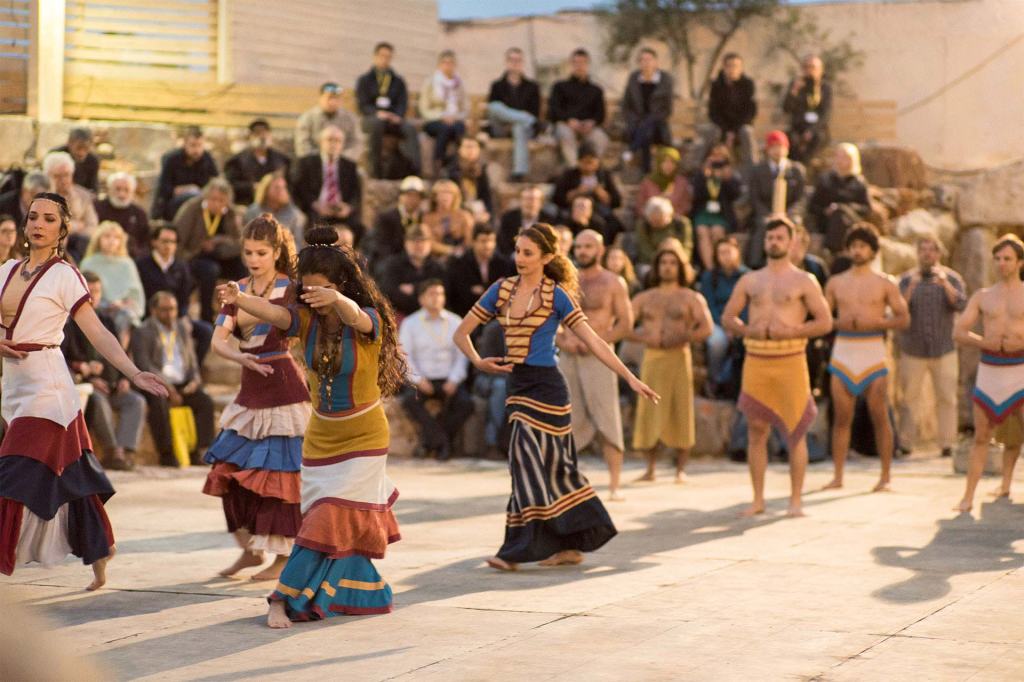
a photo of a reimagined Minoan performance by Minoan Theater
Mitochondria and Maternal Ancestry
Mitochondria are the energetic powerhouses of cells, which are comprised of their own genetic code (DNA). mtDNA in particular is passed down from mothers, not fathers, virtually unchanged to their kids. So, by utilizing this type of analysis, researchers are able to reveal information about maternal ancestry with great accuracy.
The Minoans are Europeans and are also related to present-day Cretans – on the maternal side.
-Dr. Stamatoyannopoulos, University of Washington Professor of Medicine & Genome Sciences
A Minoan skull – Image from Open Edition Journals
Understanding Our Past: The Ancient Cretan and Modern Cretan/European Connection
The findings point to Minoans being the descendants of the first people to reach Crete nine millennia ago. In fact, they have an uncanny genetic similarity to the Europeans of today.
Dr. Stamatoyannopoulos, one of the authors of “A European population in Minoan Bronze Age Crete” (www.nature.com/articles/ncomms2871) expands on this:
There was an extensive migration of Neolithic humans from the regions of Anatolia that today comprise parts of Turkey and the Middle East. At the same time, the first Neolithic inhabitants reached Crete. Our mitochondrial DNA analysis shows that the Minoan’s strongest genetic relationships are with these Neolithic humans, as well as with ancient and modern Europeans. These results suggest the Minoan civilization arose 5,000 years ago in Crete from an ancestral Neolithic population that had arrived in the region about 4,000 years earlier. Our data suggests that the Neolithic population that gave rise to the Minoans also migrated into Europe and gave rise to modern European peoples.
Lasithi Plateau, Crete, Greece location – Screenshot from Google Maps
The Specifics
So, we know the research team deciphered DNA of ancient teeth, but there’s definitely more to it. Along with his research team, Dr. Stamatoyannopoulos conducted sample analyses from 37 different skeletons that were found in a Cretan cave in the Lassithi plateau. They then compared those with mtDNA sequences from 135 modern and ancient populations alike.
The Minoan samples had 21 distinct mitochondrial DNA variations. Six were Minoan-specific whereas 15 were shared with modern and ancient people. None of the Minoans had mitochondrial DNA variations of African populations, so this debunks the once-popular belief that Minoans had completely African origins. However, upon further analysis, the Minoans were still related to Egyptian and Libyan populations, albeit remotely so. The largest percentage of shared mtDNA variations was with European populations.
From low to high (when it comes to shared Minoan mitochondrial DNA variations): North Africa, the Middle East, Mediterranean islands, Southern Europe, mainland Europe, and the Neolithic populations from Southern Europe, especially Crete. To get even more geographically specific: the current Cretans of the Lassithi plateau (Eastern Crete). That really was the most fascinating finding as I read through the research paper and several articles: ancient Minoan maternal mtDNA is still very much present in current residents of the Lassithi plateau!
Arthur Evans’ speculations of the Minoans actually being ancient Egyptian refugees (having non-European origins in general) were clearly just that. The Minoans were, as some say, a “locally-sourced” group of people.
Lasithi Plateau, Crete, Greece view – Photo by Wikimedia Commons user Haloorange
For my 33rd birthday, I decided to honor my Cretan ancestors by conducting a Minoan-inspired ritual. I place emphasis on the word inspired because we don’t know the full scope of Minoan religion, but we are aware of quite a bit from frescoes, statues, and other archeological findings. Therefore, I integrated a mix of my research, Cretan traditions, and intuition. Speaking of ancestry, here’s a post about a mtDNA study that connects modern day Cretans to the Minoans, especially from the maternal line.
Offerings
Based off residue found in various storage vessels throughout Knossos and other palaces, we more or less know what the Minoans ate. So, with that in mind, I filled a bowl with kalamata olives from Crete (you’d be surprised how easy it is to find Greek olives, even if you don’t live in Greece – ask me for recommendations) and another container with Greek honey, which is a known offering to deities in both the Minoan and Hellenic religion.
“Minoan” Music
We can only more or less guess what their music was like, but there are plenty of artists who have created Minoan-inspired tracks with some Ancient Greek flair, so I had that playing in the background during the ritual. Here is one of the songs:
Altar Setup
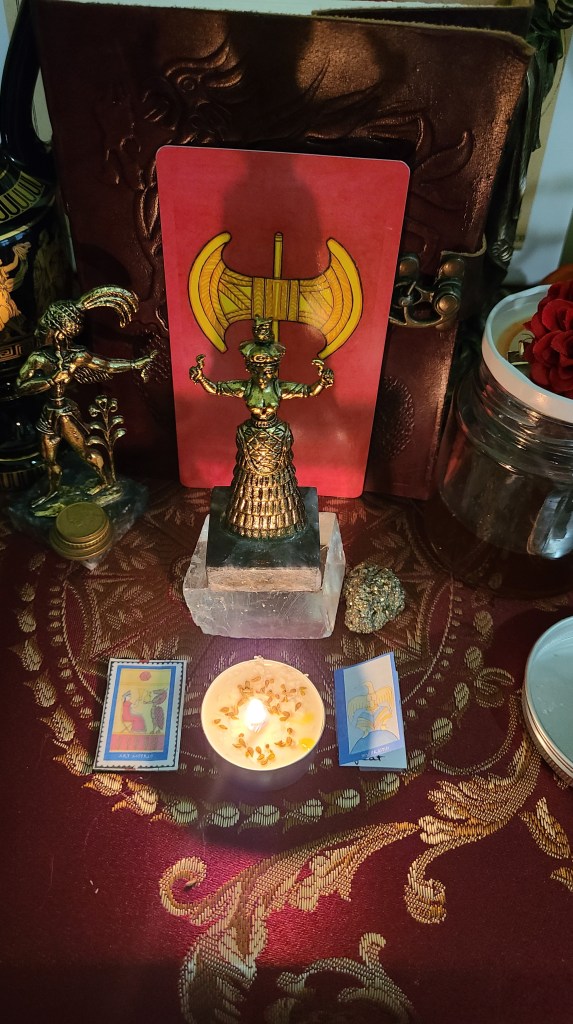
I then set up an altar, mindfully placing a statuette of The Snake Goddess (or Priestess) I bought from Knossos at the center on a square block of quartz with a statuette of The Lily Prince (or Priest-King, or perhaps even deity) alongside her. I also included a candle infused with anise and extra virgin olive oil sourced from Greece as well as incense. Additionally, I carved The Snake Goddesses’ name into the candle: Atano Djuwaja. I ended up walking slowly towards the altar with a ceramic bowl of my offerings to place by her. I included a few photos below so you can see the whole thing:
Ritual Clothing
While I wouldn’t say my outfit is a replica of what is seen on frescoes, I tried my best to find clothing that captured the essence of Minoan fashion. I also used my minimal sewing skills to add some details to the jacket’s sleeves. My apron is a lot less elaborate, but I made do. The style of Minoan women was known for its decorative jewelry, so I wore gold and silver dangling earrings (including snake cuff earrings), gold bangle bracelets, gold rings, and a brass labrys Snake Goddess necklace. I also was generous on the eye-liner to mirror the Minoan (and Ancient Egyptian) cat-eye look.
Minoan Tarot Card Reading
From what we know, the Minoans didn’t use “tarot cards” or anything similar, but my Cretan grandmother passed down a similar card-reading tradition to me. Also, I came across a beautiful Minoan tarot deck by the talented and equally knowledgeable Ellen Lorenzi-Prince (here is my review of the deck) that I just had to buy as a birthday present for myself. The card I pulled was extremely fitting:
Dress provides an opportunity for a person to show on the outside a small part of who they are on the inside. Demonstration of belonging is necessary for the connection of the individual to the group they depend upon. Display is not superficial when meaningful.
-Ellen Lorenzi-Prince
I think this is a good spot to end my post. Thanks for reading! This ritual of mine was deeply meaningful and emotional, and I’m honored to share it with all of you.
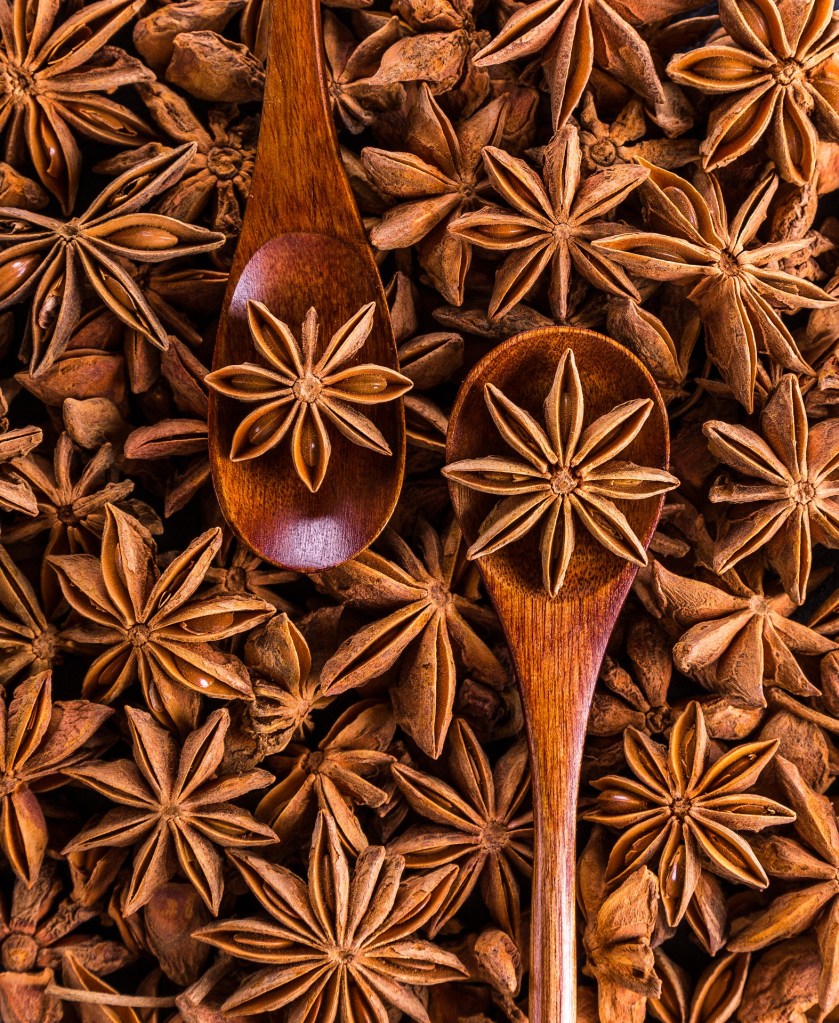
*All the images that are not my own (i.e. olives, anise) are from Pixabay.







 Minoan Magissa