
The vernal equinox is upon us (in the Northern Hemisphere)! Where I am, I’ve spotted some buds here and there and a few crocuses, but spring is (and was) in full swing on the island of Crete by now. While climate change (way back then AND in recent times) has made springs and the rest of the seasons more turbulent in some ways on average, both ancient and modern Crete have had similar weather overall. Surprisingly, Minoan times saw higher temperatures!
Ultimately, though, Crete’s rugged terrain and harsher climate to match, from strong winds (Meltemi) to Saharan dust storms (which are currently underway, turning the skies a deep red-orange), has made it no stranger to erratic weather since ancient times.
How Ancient Crete’s Weather Is Determined
First thing’s first: how is the weather I’m about to discuss even determined? Written weather logs only go back so far, after all. So, it’s up to scientists (namely paleoclimatologists) to figure that out via the analysis of natural recorders of climate. Also referred to as proxies, they preserve data in layers (i.e. sediments, stalagmites, and organic remains). In combining these environmental archives with archaeological findings, researchers are better able to reconstruct past temperatures, precipitation, and notable weather events.
Stalagmites and Stalactites
Stalagmites (upward-growing mounds of mineral deposits) and stalactites (downward-growing mounds) in Cretan caves grow in thin layers determined by water dripping from the ceiling. By analyzing the oxygen isotopes (atoms with the same number of protons but different numbers of neutrons) in these layers, scientists can determine periods of heavy rainfall versus droughts over the span of thousands of years.
Sea and Lake Samples
From the bottom of the sea and lakes, scientists have taken long core samples, where pollen, microorganisms, and volcanic ash have accumulated. Changes in types of pollen denote shifts in vegetation caused by climate, while microscopic plankton shells shed light on past sea-surface temperatures.
Marine mollusk shells and fossilized teeth found in archaeological sites are also analyzed for oxygen isotopes. The ratio of heavy to light isotopes in the structure of these shells (calcium carbonate) correlates to the water and air temperature at the time in which they grew.
Pollen Samples
By sampling pollen trapped in soil during archaeological digs, researchers can identify what plants grew in specific areas of the island. Since certain plants flourish only in certain temperatures and moisture levels, this helps identify whether the climate was arid or temperate.
Sediment
Back in 2006, geologists discovered an extensive sediment layer from the Minoan eruption of Santorini (Thera). The mollusks, volcanic ash, skeletal remains, etc. within this layer offer a bit of a “sneak-peek” of the environment and weather at that exact moment.
Dendrochronology
Tree ring data in the Mediterranean is able to provide information on yearly climate conditions (i.e. wider rings for wet years, narrower for dry ones). Thankfully, there are plenty of trees to go off of as many are thousands of years old, including the Olive Tree of Vouves in Chania, Crete.
Modern Crete’s Spring Weather
The present is informed by the past, so I wanted to dive into the island’s weather in modern times. Spring lasts for a solid three months. While May is consistently warm, June marks the true beginning of the hot, dry season (summer).
The approaching warm westerly winds ensure a springtime that is mild and pleasant overall. Average daytime temperatures range from 11⁰C to 23⁰C (52⁰F to 74⁰F). The sea still remains relatively cool (around 15⁰C/59⁰F), so evenings tend to range from 9⁰C to 15⁰C (48⁰F to 59⁰F).
Cloud cover is still abundant throughout the month of March, but the skies start to clear up more as the season progresses. Even still, Crete is known as the sunniest island in Greece and one of the sunniest places in all of Europe, boasting over 300 days of annual sunshine.
While the wet season is primarily from November until the first half of March, there’s still intermittent light rain on occasion, but then it begins to taper off in April. The dry season is starting to get longer and longer in modern times, which unfortunately leads to more wildfires.
Ancient Crete’s Spring Weather
Based on the findings above, scientists can ascertain that the peak of Minoan civilization was about 4°C hotter than in modern times. To further confirm this, research indicates that El Niño events in the past caused warmer, drier conditions as well. Unfortunately, this is connected (in part) to the gradual end of Minoan civilization. Needless to say, long bouts of intense droughts had a devastating impact on agriculture.
The Fauna and Flora of Minoan Spring
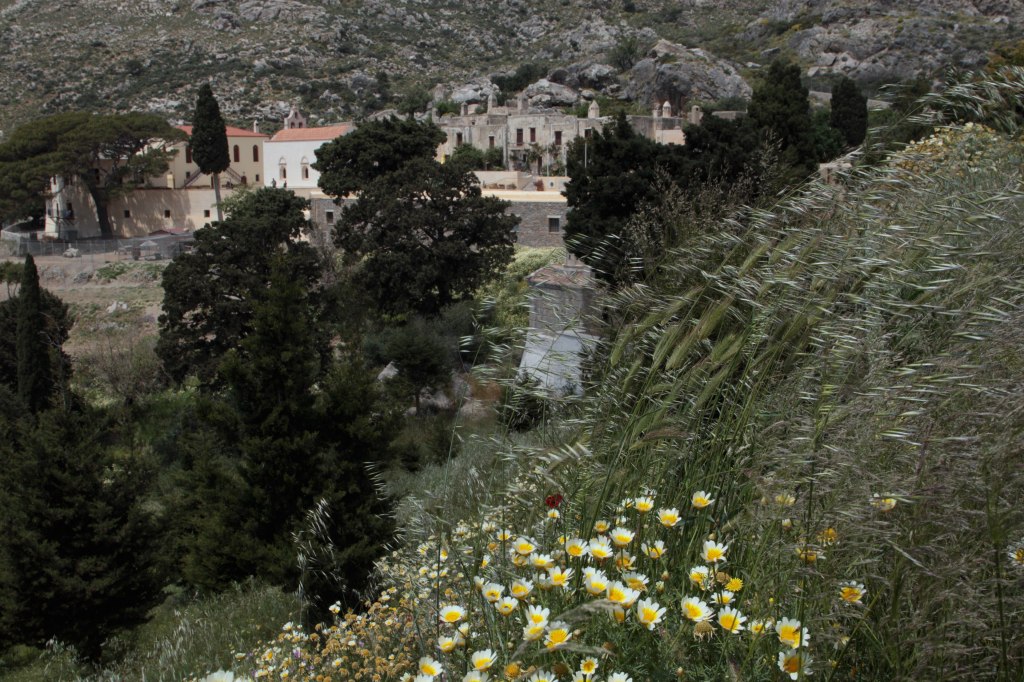
By the time the warm season came around, the landscape was bursting with the vibrant colors of wildflowers, including saffron crocuses, lilies, poppies, anemones (Anemone coronaria) and tulips (Tulipa saxatilis).
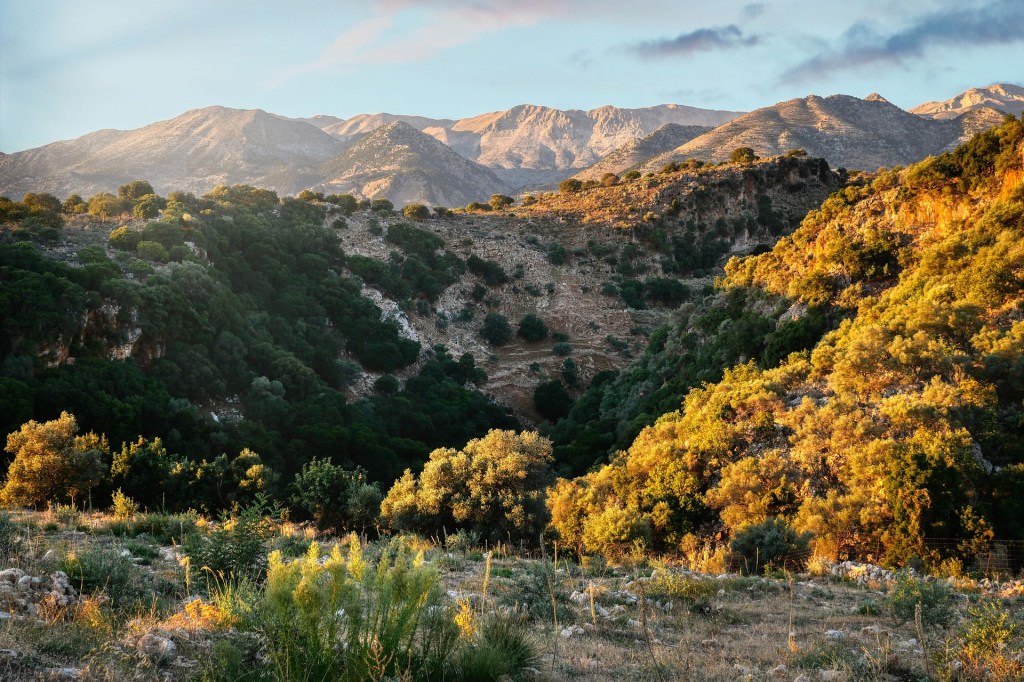
Crete’s biome consists of Mediterranean forests, woodlands, and shrublands, which would start getting much greener after all the precipitation that winter brought (when it wasn’t El Niño).
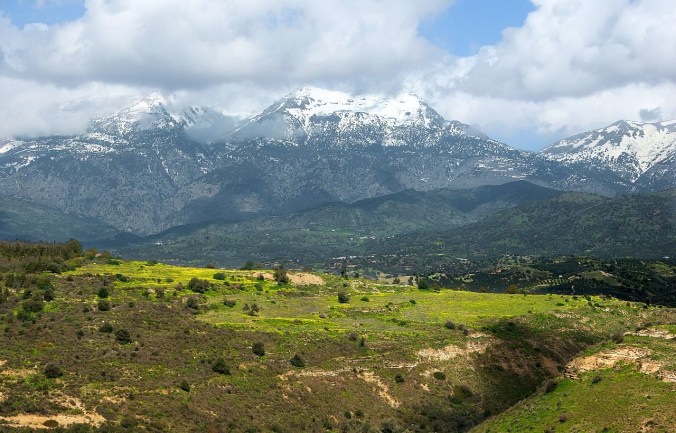
Snow on Crete’s highest mountaintops (White Mountains, Psiloritis, Dikti) generally started melting around this time (April), but significant snow cover often lasted until the end of spring.
Spring isn’t much of a spring at all without the arrival of birds and their songs. To this day, swallows are the main birds that mark spring’s beginning as well as doves. But they weren’t the only one’s singing; there were also cicadas (tzitzikia) that emerged as nymphs in later in the season.
Minoan Life During Springtime
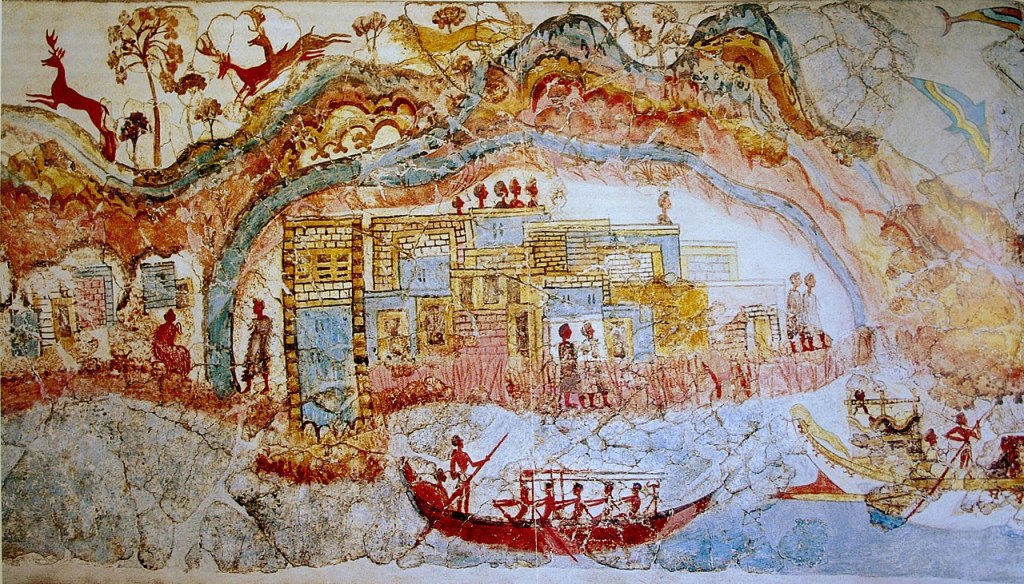
As the Mediterranean settled and warmed up, it’s no surprise that an island and thus sea-based culture would consider spring the beginning of sailing season. No longer hindered by the chaos of winter, the Minoans started to trade and fish again, ensuring their economy remained robust. Nautical pursuits aside, it was also a period for agricultural labor, religious celebrations, sun-aligned rites, and preparation for the hot summer ahead. Some of these preparations included tending to the fields before it got too dry. Go here to read a more poetic take of Minoan spring.
Sources
- Britannica: Geography of Crete
- Climate change and the demise of Minoan civilization by A. A. Tsonis et. al.
- History of Minoan Crete: Geography and Economy
- Old European Culture: Spring Fresco
- The climate of Crete in the sixteenth and seventeenth centuries by Jean M. Grove
- Tsunami sedimentary deposits of Crete records climate during the ‘Minoan Warming Period’ by Christophe Lécuyer et. al.
- Weather Spark: March Weather in Crete
- World Data: The Climate in Greece

 Minoan Magissa