Minos Kalokairinos: The Original Excavator of Knossos

Arthur Evans tends to be the first name that comes to mind when one thinks of Knossos and its initial discovery and excavation. However, the original excavator is less widely known. His name? Minos Kalokairinos (yes, Minos!), a so-called novice archeologist, businessman, lifelong student, and antiquarian. That being said, the first excavation of this ancient Cretan site took place in 1878, not 1900 (by a Cretan person no less).

a photo of stairs leading into a chamber with pillars at Knossos

Minos Kalokairinos, The Palace of Minos: Mere Coincidence or Fate?

Not to get too poetic about it, but I do find it interesting that Minos shares the name of the legendary king Minos, which the Minoan civilization was named after (by Evans). Also, he was the first person to pin down the location of the Minoan ruler’s palace (also known as the Knossian Labyrinth). It’s far too synchronistic, if you ask me…
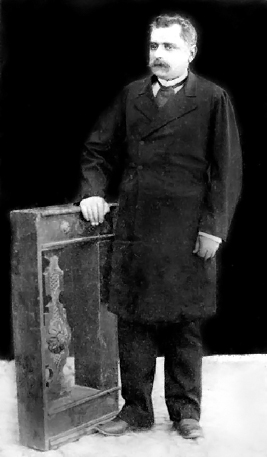
a photo of Minos next to an artifact

The Life of Minos Kalokairinos (Μίνως Καλοκαιρινός)

Born back in 1843 on the island of Crete in Heraklion, Minos was the son of an affluent landowner named Andreas Kalokairinos (he actually owned the Knossos site). Following in father’s footsteps, his life was a balancing act between entrepreneur and scholar.

Academic Pursuits

Minos pursued his secondary education at Syrus, followed by a law degree at the University of Athens, which was short-lived. A year into the program, his father passed away from a serious illness. From there, he and his brother Lysimachus took over the family business until 1871. Eventually, his unwavering entrepreneurial spirit led him to soap manufacturing at an award-winning level. Alas, that was also short-lived when he became bankrupt. Thankfully, he would later oscillate back to his scholarly endeavors to continue his studies, which would lead to a degree.

May the Excavations Begin!

During 1878, Minos embarked upon quite a feat: the initial Knossos excavations! However, he would only be entitled to a third of the findings because two other individuals already owned the site. This primary excavation spanned the course of nearly a month and comprised the Royal Palace complex, namely the west and south wings.

Another Roadblock

However, the political situation at hand at the time had other plans (Crete was under Turkish occupation). Less than a year later, Fotiadis Pasha (the Christian Commander of Crete) visited the site to check on their progress. Unfortunately, he and the city’s scholars came to a unanimous decision to halt the excavations right then and there, in the name of protecting the findings.

Shaken But Tenacious

Even still, Minos was deeply passionate about this ancient palace and dreamed of making Knossos the talk of the world. So, he discretely escorted various archaeologists, diplomats, etc. at Knossos and showed off his private collection. By 1886, famous German archeologist Heinrich Schliemann (the one who discovered Troy) paid Minos and the site a visit. That alone could have changed everything, but continued excavations were still forbidden.

The Second Excavator Takes Over as The First Bows Out

A pivotal moment came in 1894, when Sir Arthur Evans arrived to survey the site for himself. Immediately in awe, he purchased a fourth of Kephala Hill. Six years later, the excavations officially started back up again. The exact date? March 23rd 1900, the date most are familiar with and reference when it comes to the “first” Knossian excavation.

The Throne Room was first in line, and in two years’ time, the entirety of Knossos was dug out of the pervasive ash. This was certainly a groundbreaking time, but alas, Minos retired due to tragedies that befell him and his loved ones. Long story short, a vast genocide of civilians by the Turks in 1898 took the life of his beloved brother Lysimachus and son. His niece also went missing. And if that wasn’t horrific enough, his home was set ablaze, his precious collection of artifacts and all.
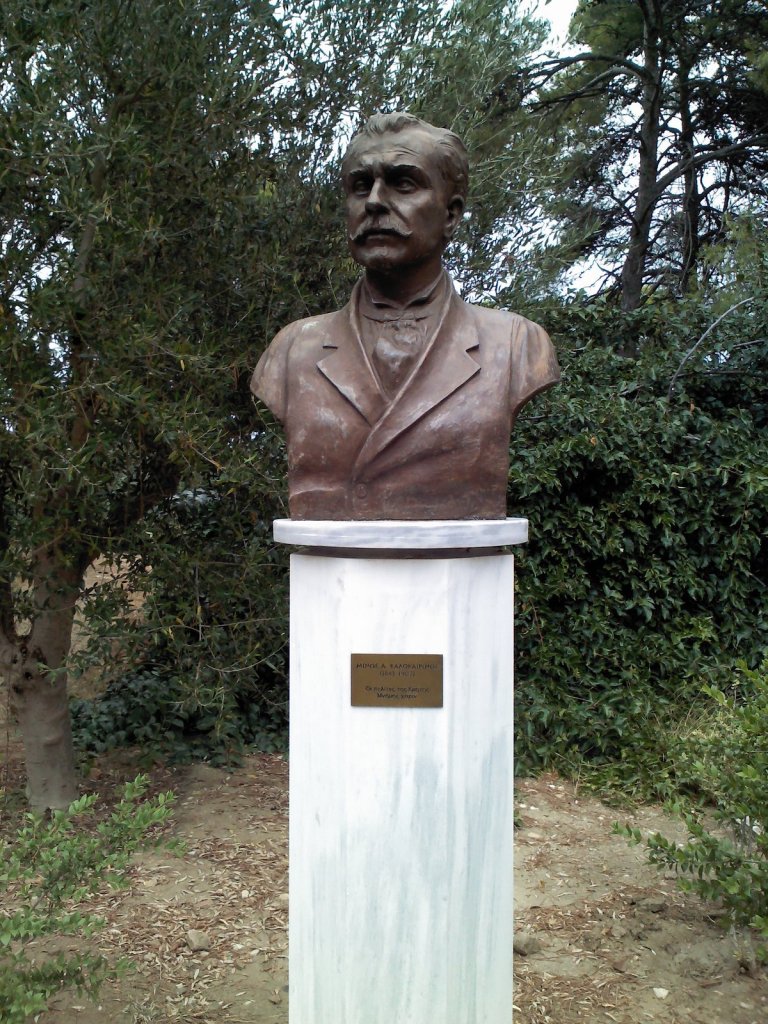
a statue of Minos at Knossos

Minos’ Legacy Lives On

However, all hope was not lost. In 1903, Minos’ nephew built a new mansion. To this day, this mansion is home to the Historical Museum of Heraklion. And prior to Minos’ passing in 1907 (on an island no longer under the Ottoman Empire’s rule), he had the opportunity to publish a journal primarily dedicated to Knossos called the “Cretan Archaeological Ephemeris”.

And while that house fire destroyed many of his findings, Minos fortunately had quite an extensive assemblage of artifacts. The amphorae found in Knossos’ western wing were donated to Greek museums and beyond to garner global intrigue.

It is Μίνως Καλοκαιρινός’ initial explorations and discoveries that led to those major excavations that revealed an expansive and elaborate palace of ancient times to the world. That is a fact that should never be overlooked! He may have not had to opportunity to see things through until the end, but his contribution to Crete’s rich history will have an enduring ripple effect.
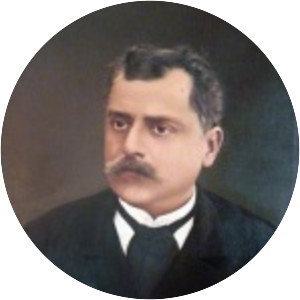
a headshot of Minos
a headshot of Minos

Kotsonas, A. (2016). GREEK AND ROMAN KNOSSOS: THE PIONEERING INVESTIGATIONS OF MINOS KALOKAIRINOS. The Annual of the British School at Athens,111, 299-324
Municipality of Heraklion: Knossos
Μίνωας Καλοκαιρινός: Ο άνθρωπος που οδήγησε τα βήματα του Έβανς




Honoring My Cretan Ancestors with a Minoan-Inspired Ritual

For my 33rd birthday, I decided to honor my Cretan ancestors by conducting a Minoan-inspired ritual. I place emphasis on the word inspired because we don’t know the full scope of Minoan religion, but we are aware of quite a bit from frescoes, statues, and other archeological findings. Therefore, I integrated a mix of my research, Cretan traditions, and intuition. Speaking of ancestry, here’s a post about a mtDNA study that connects modern day Cretans to the Minoans, especially from the maternal line.

Offerings

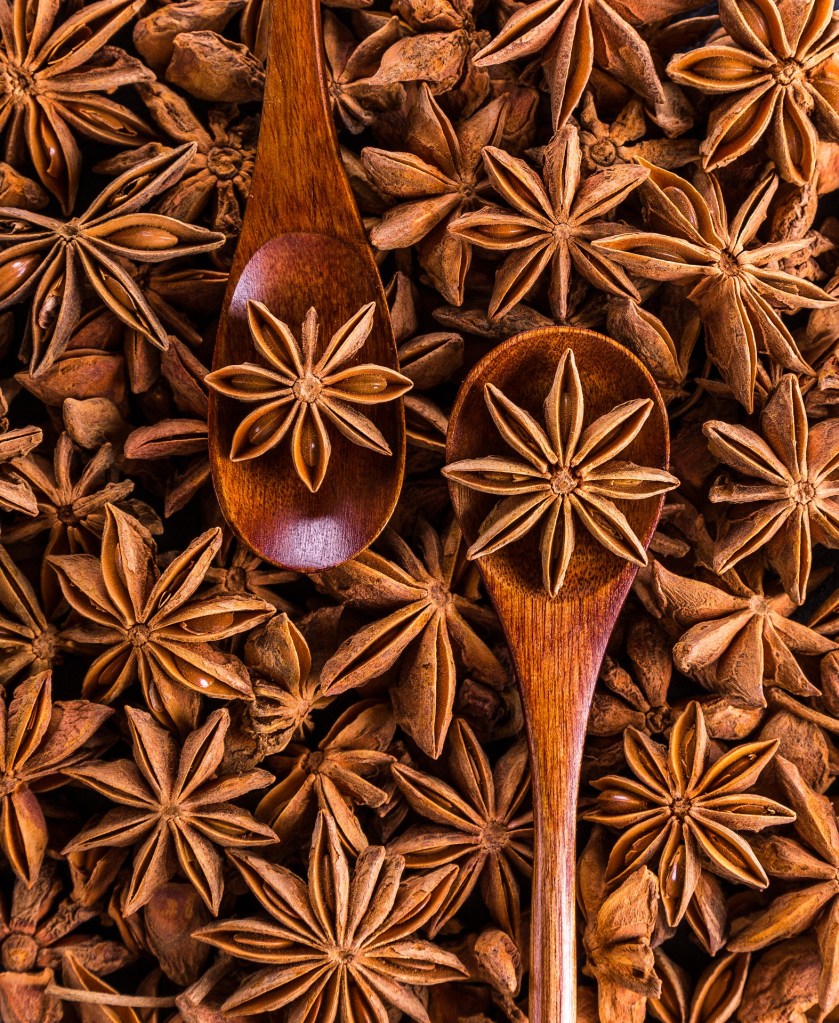
Based off residue found in various storage vessels throughout Knossos and other palaces, we more or less know what the Minoans ate. So, with that in mind, I filled a bowl with kalamata olives from Crete (you’d be surprised how easy it is to find Greek olives, even if you don’t live in Greece – ask me for recommendations) and another container with Greek honey, which is a known offering to deities in both the Minoan and Hellenic religion.

“Minoan” Music

We can only more or less guess what their music was like, but there are plenty of artists who have created Minoan-inspired tracks with some Ancient Greek flair, so I had that playing in the background during the ritual. Here is one of the songs:

Altar Setup

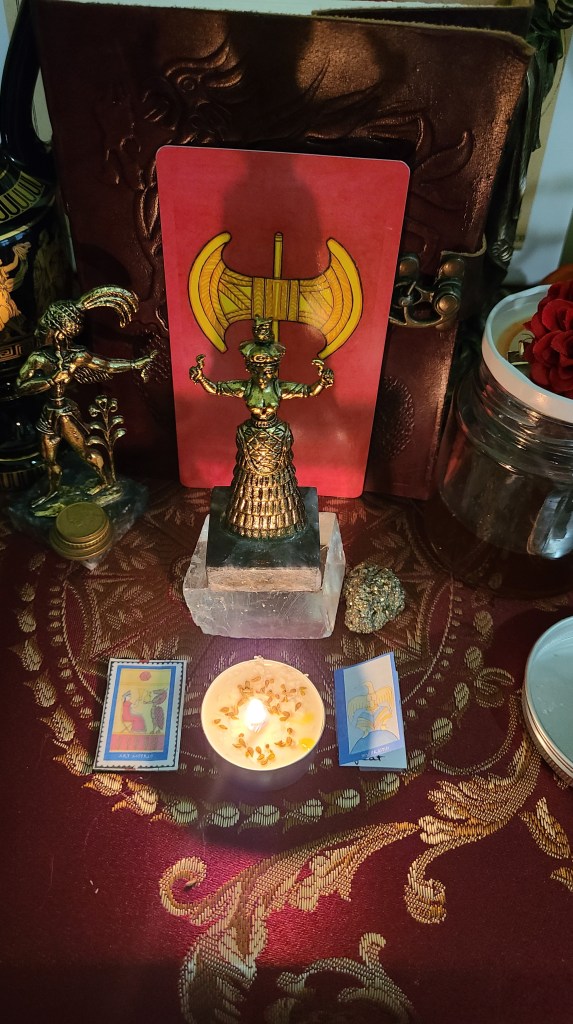
I then set up an altar, mindfully placing a statuette of The Snake Goddess (or Priestess) I bought from Knossos at the center on a square block of quartz with a statuette of The Lily Prince (or Priest-King, or perhaps even deity) alongside her. I also included a candle infused with anise and extra virgin olive oil sourced from Greece as well as incense. Additionally, I carved The Snake Goddesses’ name into the candle: Atano Djuwaja. I ended up walking slowly towards the altar with a ceramic bowl of my offerings to place by her. I included a few photos below so you can see the whole thing:

Ritual Clothing

While I wouldn’t say my outfit is a replica of what is seen on frescoes, I tried my best to find clothing that captured the essence of Minoan fashion. I also used my minimal sewing skills to add some details to the jacket’s sleeves. My apron is a lot less elaborate, but I made do. The style of Minoan women was known for its decorative jewelry, so I wore gold and silver dangling earrings (including snake cuff earrings), gold bangle bracelets, gold rings, and a brass labrys Snake Goddess necklace. I also was generous on the eye-liner to mirror the Minoan (and Ancient Egyptian) cat-eye look.

Me in a Minoan-inspired outfit

Minoan Tarot Card Reading

From what we know, the Minoans didn’t use “tarot cards” or anything similar, but my Cretan grandmother passed down a similar card-reading tradition to me. Also, I came across a beautiful Minoan tarot deck by the talented and equally knowledgeable Ellen Lorenzi-Prince (here is my review of the deck) that I just had to buy as a birthday present for myself. The card I pulled was extremely fitting:

Dress provides an opportunity for a person to show on the outside a small part of who they are on the inside.
Demonstration of belonging is necessary for the connection of the individual to the group they depend upon.
Display is not superficial when meaningful.

-Ellen Lorenzi-Prince

I think this is a good spot to end my post. Thanks for reading! This ritual of mine was deeply meaningful and emotional, and I’m honored to share it with all of you.

*All the images that are not my own (i.e. olives, anise) are from Pixabay.

Minoan Symbols: Horns of Consecration 𓄋

The Symbol of Sanctity

Sacred bull horns (made of limestone or clay) were one of the primary symbols in Minoan culture. They could be found on rooftops, tombs, larnakes (coffins), shrines, temple entrances, sealstones—you name it! In some instances, the horns were depicted with flowers or the labrys (butterfly axe) in between them. They were clearly a notable part of daily life as much as they were a part of mystical rituals, which is why archaeologist Arthur Evans coined them as such.

Findings from post-palatial shrines on Crete. Horns of Consecration are on the upper left and right. Displayed at the Archaeological Museum of Heraklion.

It has been suggested that the colossal horn sculptures atop buildings could have been used as frames for viewing stellar movement. However, one thing is for certain: these weren’t mere horns of a bull; they held religious significance—bulls in general were regarded as sacred animals to the Minoans and were integrated into most rituals.

Sacred Seat or Pot Holder… or Both?

Some scholars claim the larger Horns of Consecration served as honorary seats for royalty and/or deities. On the other hand, some scholars have had a more practical use in mind: perhaps the horns of lesser size were pot-support in a hearth. While a true consensus isn’t feasible, it would be safe to ascertain that these horns were in fact multi-functional.

The Bull Under The Sun

Another element of The Horns of Consecration are their potential solar quality (the sun was an equally important Minoan symbol). Many researchers like Emilia Banou (Faculty Member at University of the Peloponnese) propose that they are a sign of sun worship as posited in the following evidence:

  • a clay model of it on the peak sanctuary of Petsophas
  • astronomical research results from various other peak sanctuaries
  • a Goddess with Upraised Arms (pictured in the first photo in the upper center) alongside a clay model of Horns of Consecration were found at the Mycenaean cemetery of Tanagra

With Egyptian influence of Minoan culture being undeniable, such religious notions relay back to Ancient Egyptian symbols of both mountain and horizon, which ultimately have a solar basis.

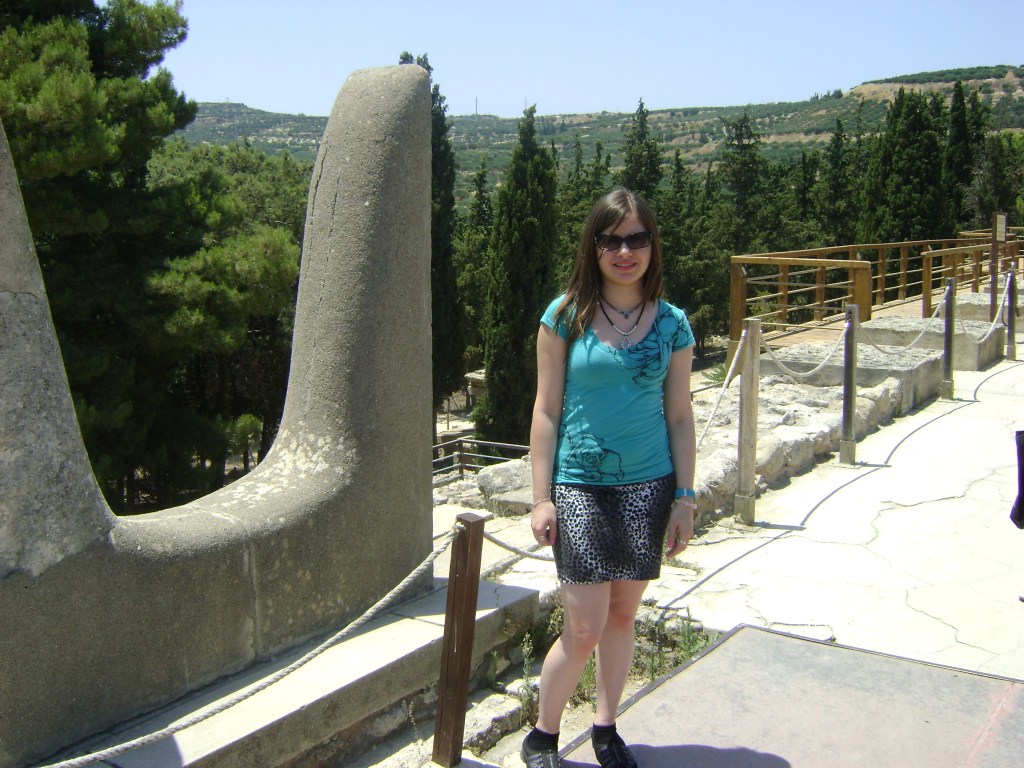
Me by the Sacred Horns of Consecration outside the South Entrance (Propylaea) of Knossos back in 2011. Reconstructed by Arthur Evans.

Academia: Horns of Consecration
BYU Library Digital Collections: Minoan Symbols
*Featured photo from Wikimedia Commons by Afrathianakis Emmanouil
*First photo from Wikimedia Commons by Rda