Minoan Civilization: Egalitarian or Matriarchal?

The Land of Kings and Goddesses

The patriarchy has been rooted in our reality for what seems to be eons, but the Minoan’s way of experiencing the world was not through such a lens. Their royalty may have consisted of kings, but the religious side of things consisted predominately of goddesses and priestesses. Men ran multiple facets of their society, but so did women. And when men were typically off at sea, women more or less took over in several arenas, including politics. Women and men alike also partook in various sports, including bull-leaping.
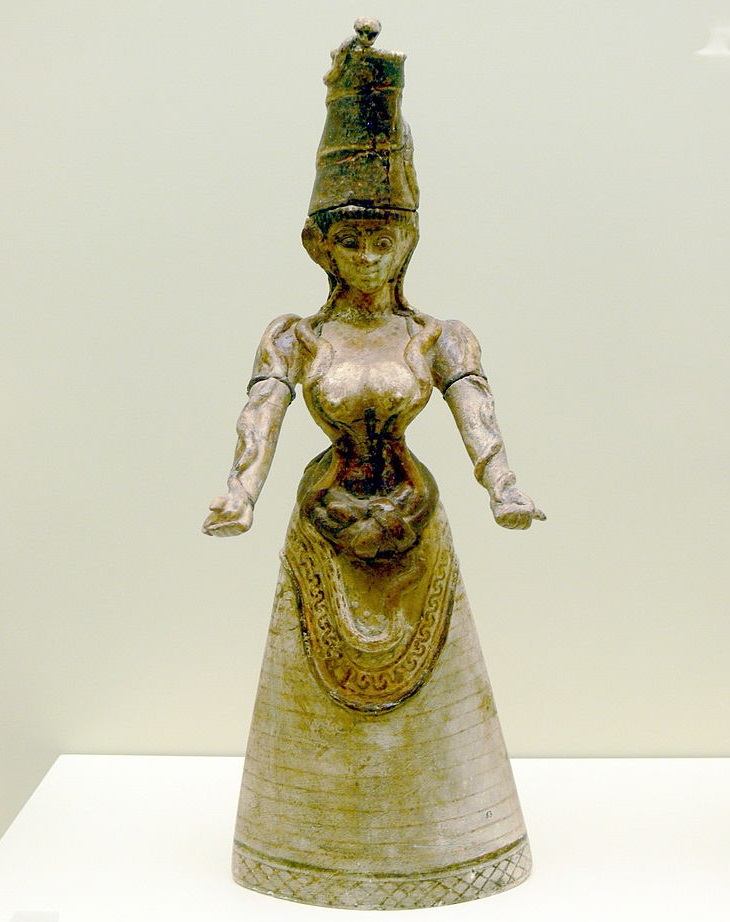
Minoan Priestess with Snakes, Archaeological Museum in Herakleion. Photo by Wolfgang Sauber.

Gender Equality with Matriarchal Leanings

For a long time, archaeologists and historians have suspected a full-fledged Minoan matriarchy, especially due to the the prevalence of women in leadership roles. However, it seems more accurate to call this civilization egalitarian with matriarchal tendencies. It’s also important to note that their iconography contains no distinct depictions of kings. In fact, King Minos’ reign could very well be solely mythical….

Painting on limestone sarcophagus of religious rituals from Hagia Triada. Source: Wikimedia Commons User ArchaiOptix

Distinct Gender Roles with Some Gray Areas

Egalitarian but not perfectly so, Minoan society was still distinctly gendered as seen in illustrations, fashion, and certain societal duties. For instance, in family documentation written in Linear B, spouses and children weren’t listed altogether. In one section, it was solely fathers and their sons, whereas in another section, mothers were listed with only their daughters. That being said, there was an evident gender divide.

At the same time, on the Agia Triadha sarcophagus (shown above), there is a priest AND priestesses making offerings. Just like in Ancient Egypt, the Minoans color-coded their genders (lighter skin for women, darker skin for men). So, that person with darker skin playing the lyre (who has often been mistaken for a woman) is in fact a man. It is posited that priests wore women’s vestments during rituals to honor the goddess.

Conclusion

The verdict is there’s no set-in-stone answer and as with most things, it’s not so black and white. But one thing is for sure: Minoan society was not patriarchal. Also, while I did discuss usually clear gender roles and women in leadership, the matriarchal nature of the society doesn’t make it such via the domination by women alone; it has to do with its connection to nature and emphasis on creation (in a creative sense, not just a maternal one), among other things.

And I’ll wrap up this post with a quote by a Classics Professor at The University of Kansas:

“Basically, this culture on Crete around 1600-1500 BCE is the closest candidate for a matriarchy that we have.”

-John Younger

National Library of Medicine: The Woman in Minoic Crete
New World Encyclopedia: Aegean Civilizations
Kansas University: Religious Artifacts Support Idea of Minoan Matriarchy on Ancient Crete
*Featured Photo Credit: Agia Triada sarcophagus (long side) from Wikimedia Commons User Zde

Minoan Symbols: The Labrys (Butterfly Axe)

A “Weapon” That’s Far From It

The double-bitted axe may look like a robust weapon to use in war (and it was in various areas of the world), but in ancient Crete, it mostly served as a sacred symbol. In fact, its main symbolism is the brink of creation, which is referred to as Mater-arche (“arche” means “beginning”). Interestingly, The Labrys (pelekus: πέλεκυς in Classical Greek) solely accompanied goddesses, never gods, and its spiritual significance can be confirmed by how often smaller versions were found alongside other religious objects. These little double axes were used as votive offerings. A less peaceful use for the so-called butterfly axe (often taller than an adult) was for bull sacrifice rituals conducted by priestesses.

Bronze votive double axe from the cave of Archalokori, Crete. Photo from Wikimedia Commons: Jebulon

A Timeless Symbol of Divine Feminine Power

Seeing as The Labrys was solely used by Minoan women and only depicted with mother goddesses, it encapsulated the sovereignty of the divine feminine and matriarchy. Although, it is posited that Minoan Crete was egalitarian and not a full-fledged matriarchal civilization. This powerful symbolism has carried on through the ages and wound up becoming one of Olympian god Zeus’ prime symbols in Greek mythology. In the present day, it’s a symbol of Hellenic polytheism.

Reconstructed fresco of a goddess holding a labrys in each hand and worshippers
Photo source

Conclusion

Much like the Horns of Consecration, the Labrys was an prevalent symbol throughout Minoan civilization. Not only were they created in numerous sizes with various materials like bronze, gold, or clay, but they were also carved in the outlines of the labyrinth at Knossos, as well as engraved on sealstones and painted on pottery.

Hellenica World: Labrys
Penn Museum: The Double Axe and Some Other Symbols
Symbol Sage: Labrys Symbol
*Featured photo credit: Votive double axes of gold sheet. Arkilochori Cave, 1700-1450 BC. Archaeological Museum of Heraklion. Found on Wikimedia Commons by Zde.

Ancient Cretan Cuisine: Food of the Minoans

A Diet That Spans Millennia

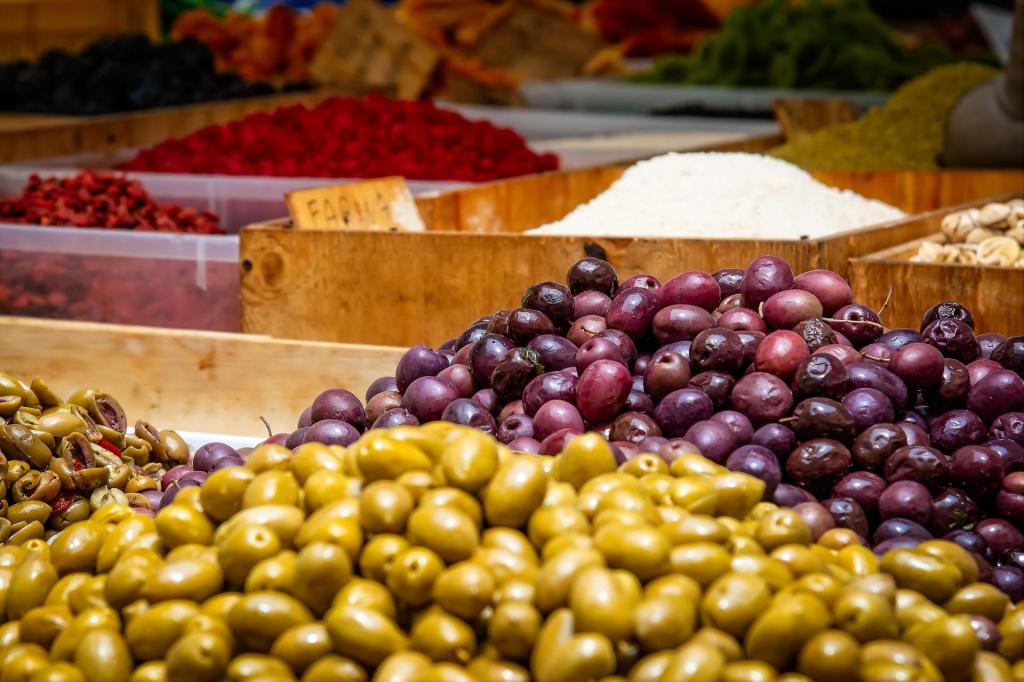
Thanks to the residue left behind in various storage containers (pithoi) and other vessels, archaeologists have been able to discern what kind of food and drinks the Minoans ate and drank. Unsurprisingly, a lot of it reflects what we now call the Mediterranean diet, which is rich with fresh fish and vegetables. As a Cretan person who has indulged in countless delicious feasts on and off the island, I smiled to myself thinking that some of what I’ve eaten (and thoroughly enjoyed) is what my ancestors have indulged in as well…

A picture of a Cretan salad called horiatiki salata (χωριάτικη σαλάτα).
✔️olives, cheese made from goat’s milk (now feta), olive oil, wheat bread
❌tomatoes, cucumber, onion

Eating and Drinking like The Minoans

Outside of imports, this is what was available to the Minoans locally:

Fruit: figs, grapes, olives
Vegetables: lettuce, leafy greens, celery, artichoke, radish, leeks
Nuts: almonds, pistachios
Plant protein: lentils, beans (garbanzo and fava), peas
Grains: several types of wheat, barley, oats, cereal
Meat & Fish: squid, octopus barnacles, cuttlefish, sea snails, sheep, goat, land birds, and domesticated deer
Dairy: goat cheese, but no milk (no wonder the lactose intolerance rate is so high in Greece)
Drinks: herbal tea, resinated wine, pine resin, barely beer, honey mead
Sweetener (and deity offerings): honey
Spices: saffron, coriander, cumin, anise, rosemary

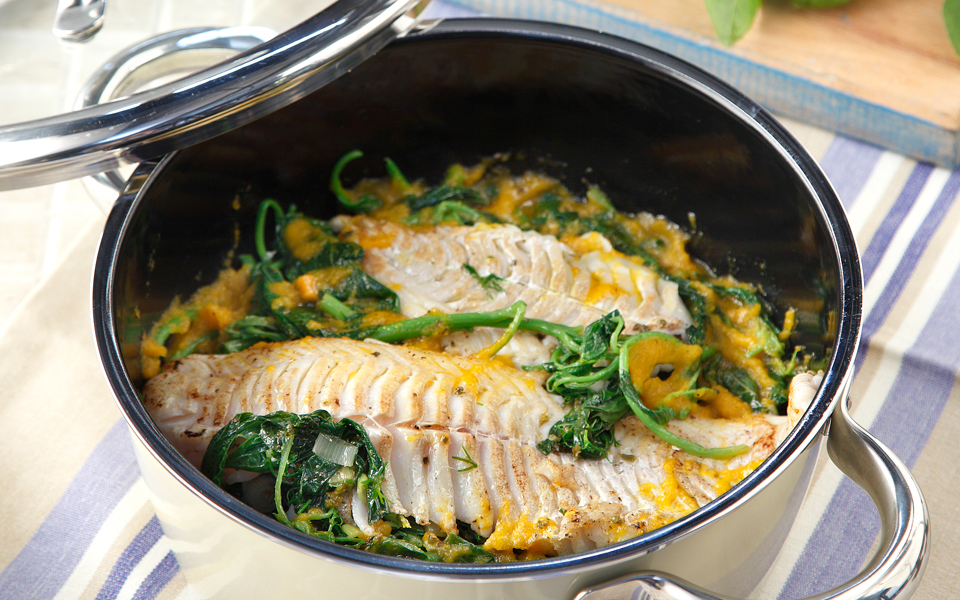
Stews seemed to be a staple, and while the following is a modern photo of a Greek fish stew with greens (ψάρι με βλίτα), this is more or less what you can expect a potentially affluent Ancient Cretan to be eating for dinner:

Photo by Giorgos Dracopoulos

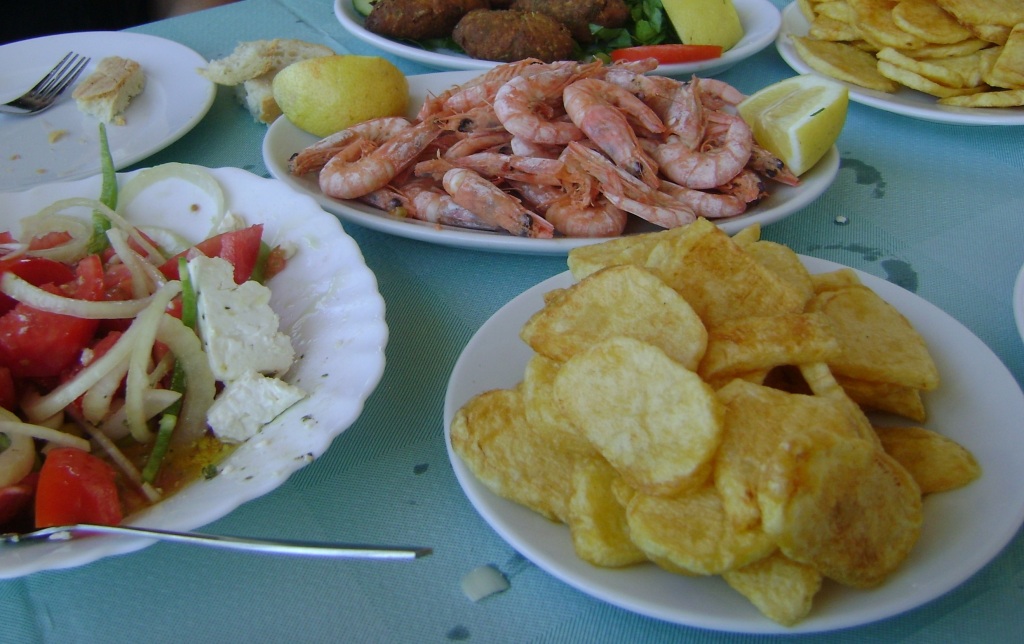
And the photo below is part of a feast I had at a taverna near The Palace of Knossos after my daylong adventure there. As you can see, those modern Cretan specialties are definitely not Minoan ones, but there’s an overlap: seafood, olive oil, feta, olives… And if we throw imports into the mix, perhaps they even had tomatoes, onions, bell peppers, and potatoes as well.

Based off that hefty Minoan food list, I’d like to come up with some recipes that are Minoan-inspired in nature or unique spins to current Cretan recipes. When I/if do (and they end up tasting more than passable), I’ll post them. 🙂

Explore Crete: Minoan Herbs
Minoans: Peoples of the Past by J. Lesley Fitton

*The first two photos are from Pixabay.com and the featured photo is from Wikimedia Commons