The Minoans: The Ancestors of Modern Cretans

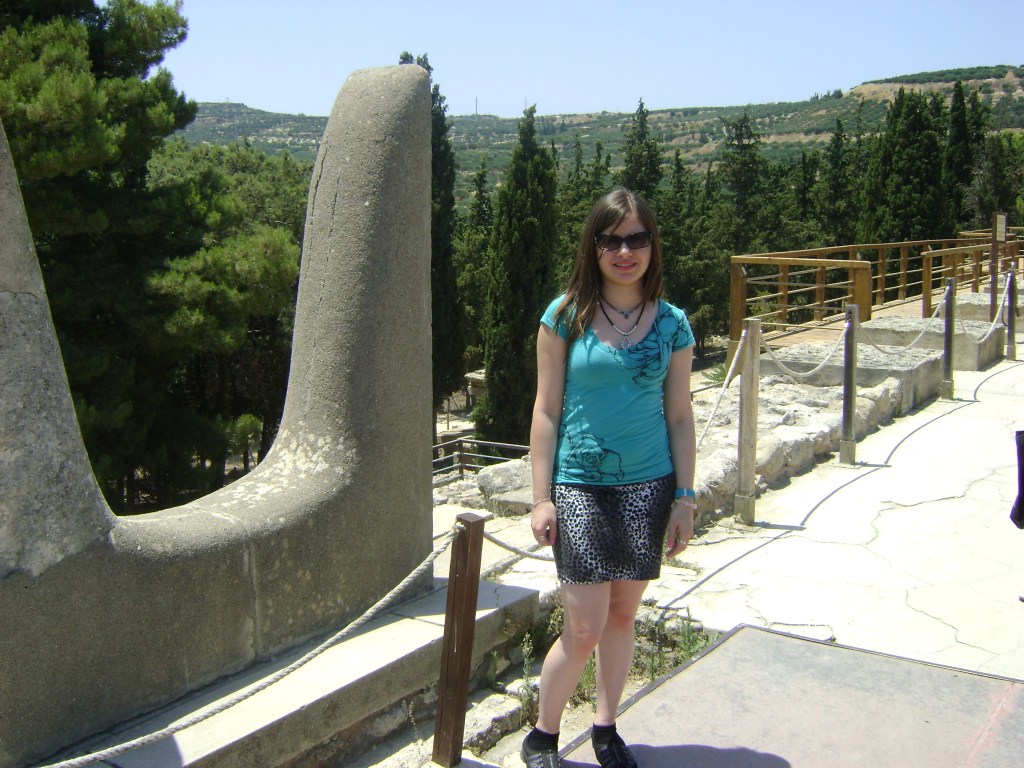
Through the use of mitochondrial DNA (mtDNA) analysis of dental remains, Greek and American researchers have made strides in pinpointing the connection between modern Cretans and the “Cretans” of long ago. While this was discovered in 2013, I only just came across this information. Two years prior to that fated day, when I was in Crete walking around Knossos, I half-jokingly asked my aunt if we can be related to the Minoans. “Όχι βέβαια,” (of course not) she replied with a chuckle. But as far as I knew, my maternal side was Cretan: my mom, my grandma, my great-grandma, my great-great grandma… you get the point. So, the idea was not too far-fetched, especially now with a scientific backing.
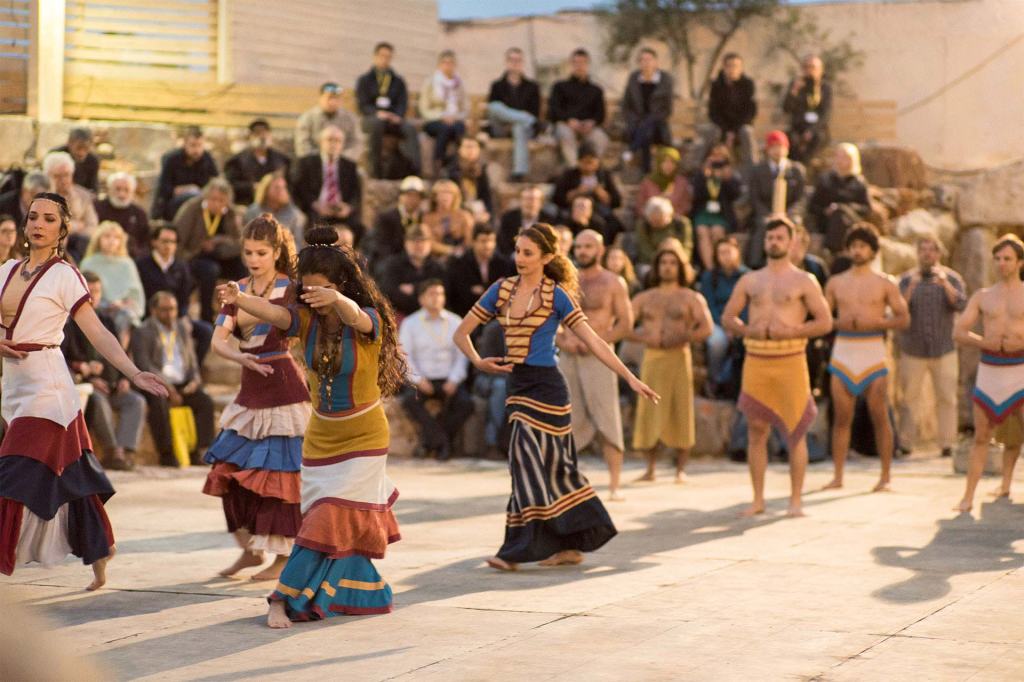
a photo of a reimagined Minoan performance by Minoan Theater

Mitochondria and Maternal Ancestry

Mitochondria are the energetic powerhouses of cells, which are comprised of their own genetic code (DNA). mtDNA in particular is passed down from mothers, not fathers, virtually unchanged to their kids. So, by utilizing this type of analysis, researchers are able to reveal information about maternal ancestry with great accuracy.

The Minoans are Europeans and are also related to present-day Cretans – on the maternal side.

-Dr. Stamatoyannopoulos, University of Washington Professor of Medicine & Genome Sciences
A Minoan skull - Image from Open Edition Journals
A Minoan skull – Image from Open Edition Journals

Understanding Our Past: The Ancient Cretan and Modern Cretan/European Connection

The findings point to Minoans being the descendants of the first people to reach Crete nine millennia ago. In fact, they have an uncanny genetic similarity to the Europeans of today.

Dr. Stamatoyannopoulos, one of the authors of “A European population in Minoan Bronze Age Crete” (www.nature.com/articles/ncomms2871) expands on this:

There was an extensive migration of Neolithic humans from the regions of Anatolia that today comprise parts of Turkey and the Middle East. At the same time, the first Neolithic inhabitants reached Crete. Our mitochondrial DNA analysis shows that the Minoan’s strongest genetic relationships are with these Neolithic humans, as well as with ancient and modern Europeans. These results suggest the Minoan civilization arose 5,000 years ago in Crete from an ancestral Neolithic population that had arrived in the region about 4,000 years earlier. Our data suggests that the Neolithic population that gave rise to the Minoans also migrated into Europe and gave rise to modern European peoples.
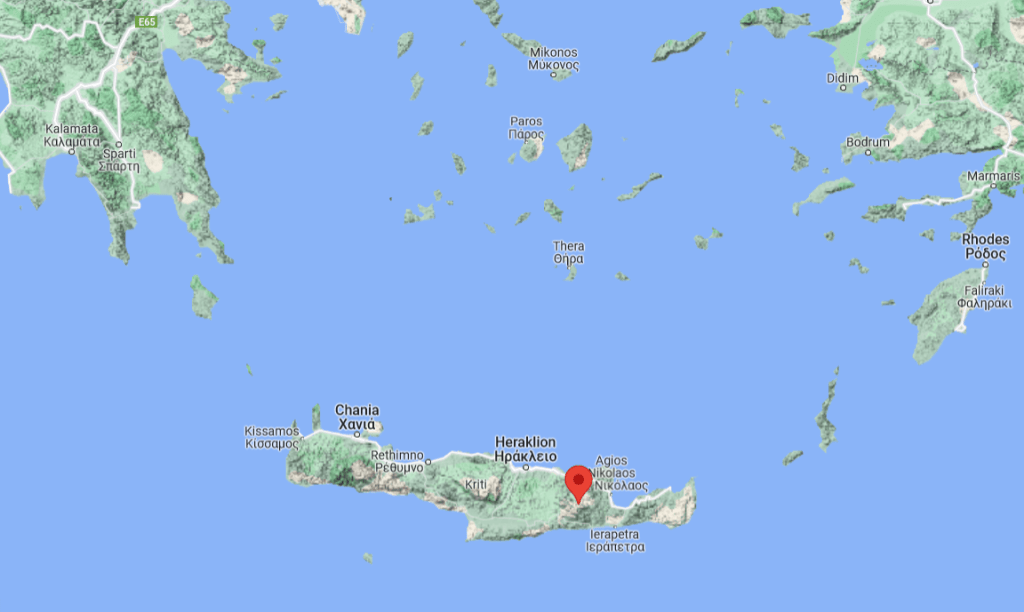
Lasithi Plateau, Crete, Greece location - Screenshot from Goog
Lasithi Plateau, Crete, Greece location – Screenshot from Google Maps

The Specifics

So, we know the research team deciphered DNA of ancient teeth, but there’s definitely more to it. Along with his research team, Dr. Stamatoyannopoulos conducted sample analyses from 37 different skeletons that were found in a Cretan cave in the Lassithi plateau. They then compared those with mtDNA sequences from 135 modern and ancient populations alike.

The Minoan samples had 21 distinct mitochondrial DNA variations. Six were Minoan-specific whereas 15 were shared with modern and ancient people. None of the Minoans had mitochondrial DNA variations of African populations, so this debunks the once-popular belief that Minoans had completely African origins. However, upon further analysis, the Minoans were still related to Egyptian and Libyan populations, albeit remotely so. The largest percentage of shared mtDNA variations was with European populations.

From low to high (when it comes to shared Minoan mitochondrial DNA variations): North Africa, the Middle East, Mediterranean islands, Southern Europe, mainland Europe, and the Neolithic populations from Southern Europe, especially Crete. To get even more geographically specific: the current Cretans of the Lassithi plateau (Eastern Crete). That really was the most fascinating finding as I read through the research paper and several articles: ancient Minoan maternal mtDNA is still very much present in current residents of the Lassithi plateau!

Arthur Evans’ speculations of the Minoans actually being ancient Egyptian refugees (having non-European origins in general) were clearly just that. The Minoans were, as some say, a “locally-sourced” group of people.
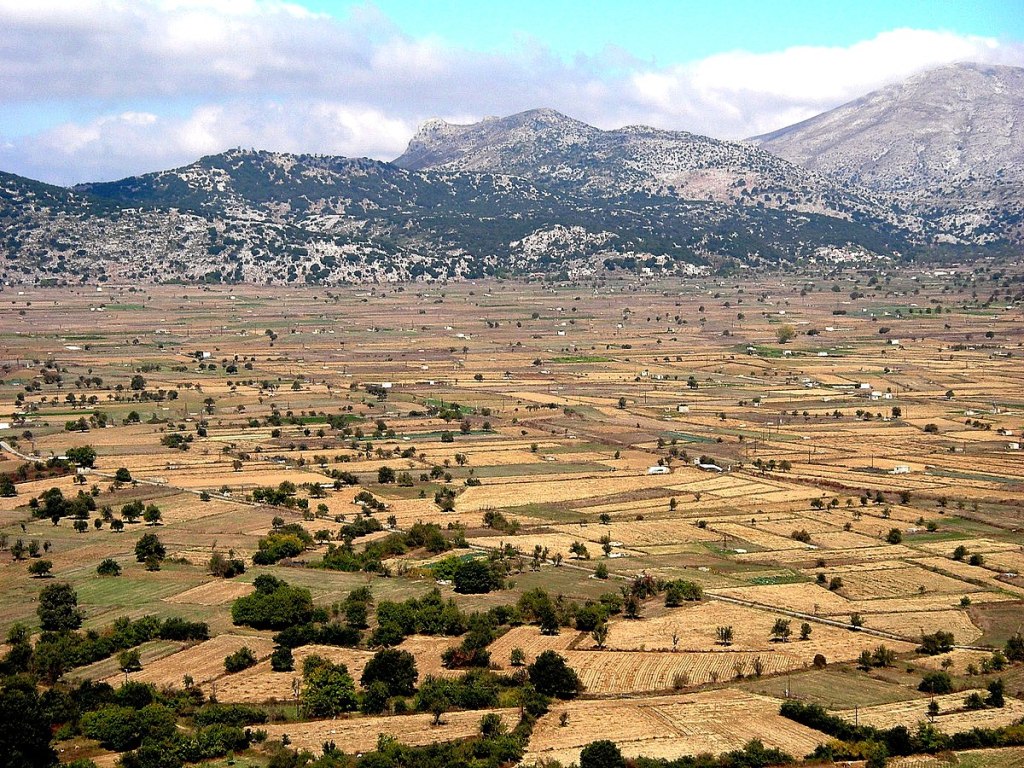
Lasithi Plateau, Crete, Greece view - Photo by Wikimedia Commons user Haloorange
Lasithi Plateau, Crete, Greece view – Photo by Wikimedia Commons user Haloorange

BBC: DNA Reveals Origin of Greece’s Ancient Minoan Culture
A European Population in Minoan Bronze Age Crete

Minoan Symbols: The Labrys (Butterfly Axe)

A “Weapon” That’s Far From It

The double-bitted axe may look like a robust weapon to use in war (and it was in various areas of the world), but in ancient Crete, it mostly served as a sacred symbol. In fact, its main symbolism is the brink of creation, which is referred to as Mater-arche (“arche” means “beginning”). Interestingly, The Labrys (pelekus: πέλεκυς in Classical Greek) solely accompanied goddesses, never gods, and its spiritual significance can be confirmed by how often smaller versions were found alongside other religious objects. These little double axes were used as votive offerings. A less peaceful use for the so-called butterfly axe (often taller than an adult) was for bull sacrifice rituals conducted by priestesses.

Bronze votive double axe from the cave of Archalokori, Crete. Photo from Wikimedia Commons: Jebulon

A Timeless Symbol of Divine Feminine Power

Seeing as The Labrys was solely used by Minoan women and only depicted with mother goddesses, it encapsulated the sovereignty of the divine feminine and matriarchy. Although, it is posited that Minoan Crete was egalitarian and not a full-fledged matriarchal civilization. This powerful symbolism has carried on through the ages and wound up becoming one of Olympian god Zeus’ prime symbols in Greek mythology. In the present day, it’s a symbol of Hellenic polytheism.

Reconstructed fresco of a goddess holding a labrys in each hand and worshippers
Photo source

Conclusion

Much like the Horns of Consecration, the Labrys was an prevalent symbol throughout Minoan civilization. Not only were they created in numerous sizes with various materials like bronze, gold, or clay, but they were also carved in the outlines of the labyrinth at Knossos, as well as engraved on sealstones and painted on pottery.

Hellenica World: Labrys
Penn Museum: The Double Axe and Some Other Symbols
Symbol Sage: Labrys Symbol
*Featured photo credit: Votive double axes of gold sheet. Arkilochori Cave, 1700-1450 BC. Archaeological Museum of Heraklion. Found on Wikimedia Commons by Zde.

Minoan Symbols: Horns of Consecration 𓄋

The Symbol of Sanctity

Sacred bull horns (made of limestone or clay) were one of the primary symbols in Minoan culture. They could be found on rooftops, tombs, larnakes (coffins), shrines, temple entrances, sealstones—you name it! In some instances, the horns were depicted with flowers or the labrys (butterfly axe) in between them. They were clearly a notable part of daily life as much as they were a part of mystical rituals, which is why archaeologist Arthur Evans coined them as such.

Findings from post-palatial shrines on Crete. Horns of Consecration are on the upper left and right. Displayed at the Archaeological Museum of Heraklion.

It has been suggested that the colossal horn sculptures atop buildings could have been used as frames for viewing stellar movement. However, one thing is for certain: these weren’t mere horns of a bull; they held religious significance—bulls in general were regarded as sacred animals to the Minoans and were integrated into most rituals.

Sacred Seat or Pot Holder… or Both?

Some scholars claim the larger Horns of Consecration served as honorary seats for royalty and/or deities. On the other hand, some scholars have had a more practical use in mind: perhaps the horns of lesser size were pot-support in a hearth. While a true consensus isn’t feasible, it would be safe to ascertain that these horns were in fact multi-functional.

The Bull Under The Sun

Another element of The Horns of Consecration are their potential solar quality (the sun was an equally important Minoan symbol). Many researchers like Emilia Banou (Faculty Member at University of the Peloponnese) propose that they are a sign of sun worship as posited in the following evidence:

  • a clay model of it on the peak sanctuary of Petsophas
  • astronomical research results from various other peak sanctuaries
  • a Goddess with Upraised Arms (pictured in the first photo in the upper center) alongside a clay model of Horns of Consecration were found at the Mycenaean cemetery of Tanagra

With Egyptian influence of Minoan culture being undeniable, such religious notions relay back to Ancient Egyptian symbols of both mountain and horizon, which ultimately have a solar basis.

Me by the Sacred Horns of Consecration outside the South Entrance (Propylaea) of Knossos back in 2011. Reconstructed by Arthur Evans.

Academia: Horns of Consecration
BYU Library Digital Collections: Minoan Symbols
*Featured photo from Wikimedia Commons by Afrathianakis Emmanouil
*First photo from Wikimedia Commons by Rda