
For my 33rd birthday, I decided to honor my Cretan ancestors by conducting a Minoan-inspired ritual. I place emphasis on the word inspired because we don’t know the full scope of Minoan religion, but we are aware of quite a bit from frescoes, statues, and other archeological findings. Therefore, I integrated a mix of my research, Cretan traditions, and intuition. Speaking of ancestry, here’s a post about a mtDNA study that connects modern day Cretans to the Minoans, especially from the maternal line.
Offerings
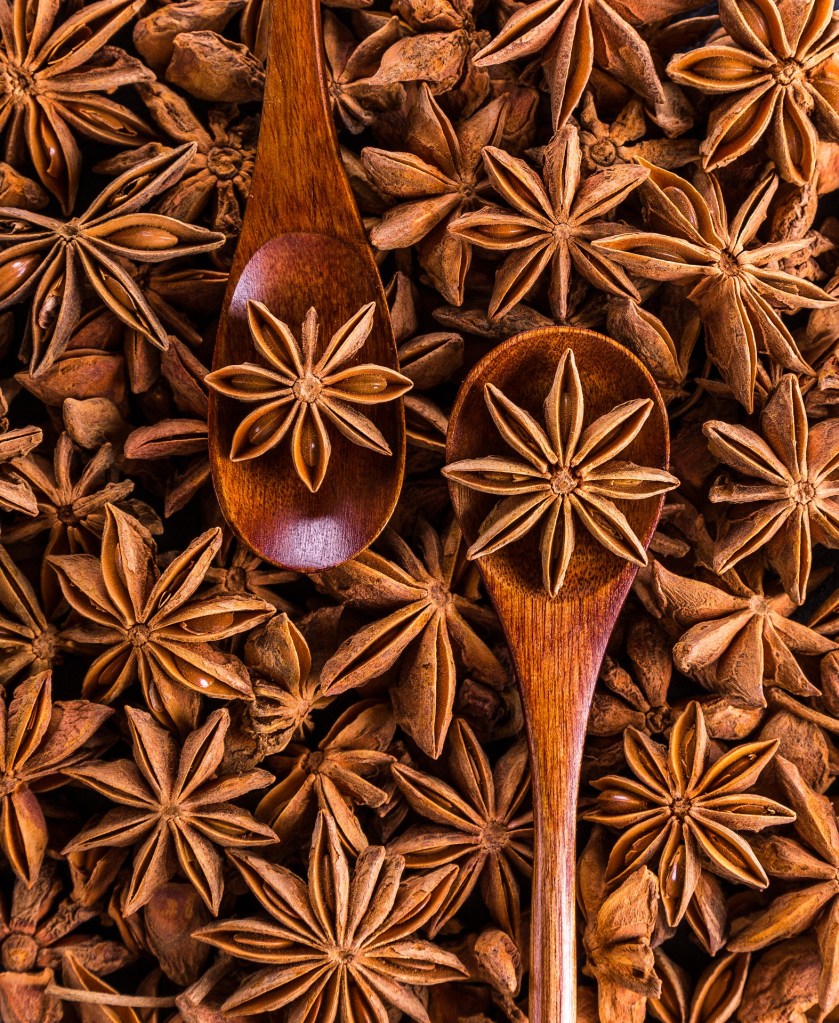
Based off residue found in various storage vessels throughout Knossos and other palaces, we more or less know what the Minoans ate. So, with that in mind, I filled a bowl with kalamata olives from Crete (you’d be surprised how easy it is to find Greek olives, even if you don’t live in Greece – ask me for recommendations) and another container with Greek honey, which is a known offering to deities in both the Minoan and Hellenic religion.


“Minoan” Music
We can only more or less guess what their music was like, but there are plenty of artists who have created Minoan-inspired tracks with some Ancient Greek flair, so I had that playing in the background during the ritual. Here is one of the songs:
Altar Setup
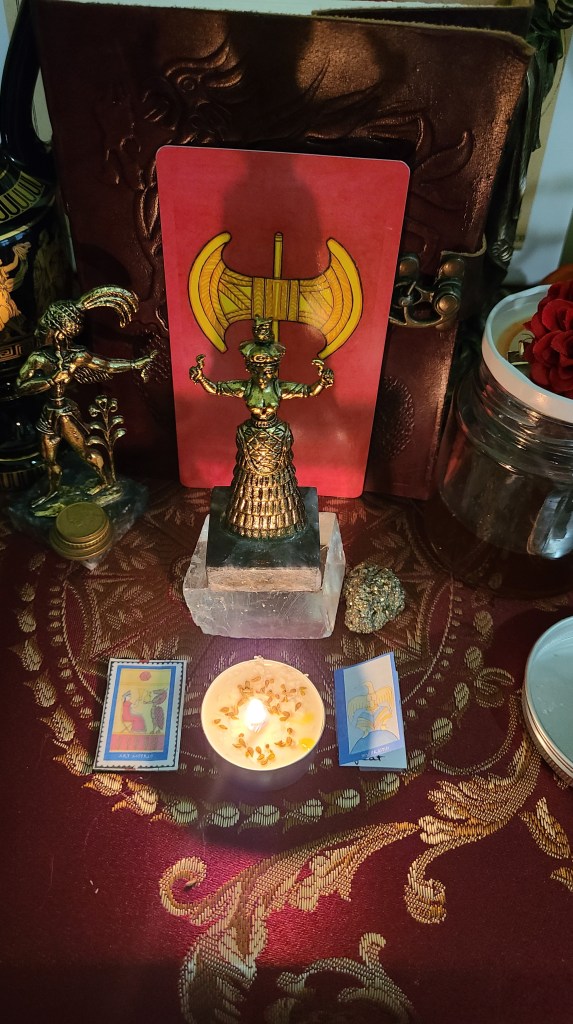
I then set up an altar, mindfully placing a statuette of The Snake Goddess (or Priestess) I bought from Knossos at the center on a square block of quartz with a statuette of The Lily Prince (or Priest-King, or perhaps even deity) alongside her. I also included a candle infused with anise and extra virgin olive oil sourced from Greece as well as incense. Additionally, I carved The Snake Goddesses’ name into the candle: Atano Djuwaja. I ended up walking slowly towards the altar with a ceramic bowl of my offerings to place by her. I included a few photos below so you can see the whole thing:


Ritual Clothing
While I wouldn’t say my outfit is a replica of what is seen on frescoes, I tried my best to find clothing that captured the essence of Minoan fashion. I also used my minimal sewing skills to add some details to the jacket’s sleeves. My apron is a lot less elaborate, but I made do. The style of Minoan women was known for its decorative jewelry, so I wore gold and silver dangling earrings (including snake cuff earrings), gold bangle bracelets, gold rings, and a brass labrys Snake Goddess necklace. I also was generous on the eye-liner to mirror the Minoan (and Ancient Egyptian) cat-eye look.

Minoan Tarot Card Reading
From what we know, the Minoans didn’t use “tarot cards” or anything similar, but my Cretan grandmother passed down a similar card-reading tradition to me. Also, I came across a beautiful Minoan tarot deck by the talented and equally knowledgeable Ellen Lorenzi-Prince (here is my review of the deck) that I just had to buy as a birthday present for myself. The card I pulled was extremely fitting:


Dress provides an opportunity for a person to show on the outside a small part of who they are on the inside.
-Ellen Lorenzi-Prince
Demonstration of belonging is necessary for the connection of the individual to the group they depend upon.
Display is not superficial when meaningful.
I think this is a good spot to end my post. Thanks for reading! This ritual of mine was deeply meaningful and emotional, and I’m honored to share it with all of you.
*All the images that are not my own (i.e. olives, anise) are from Pixabay.


 Minoan Magissa