One of the main ways I’ve been connecting to my ancestors is through fashion. Ancient Cretan fashion, to be exact. From Minoan-inspired jewelry and hairstyles, to patterned dresses and cropped cardigans, I’ve attempted to recreate the attire of the Minoans based off the dozens of frescoes I’ve seen in person and online. While my attempts are imperfect in various ways, the act in and of itself has been powerful and deeply meaningful to me.
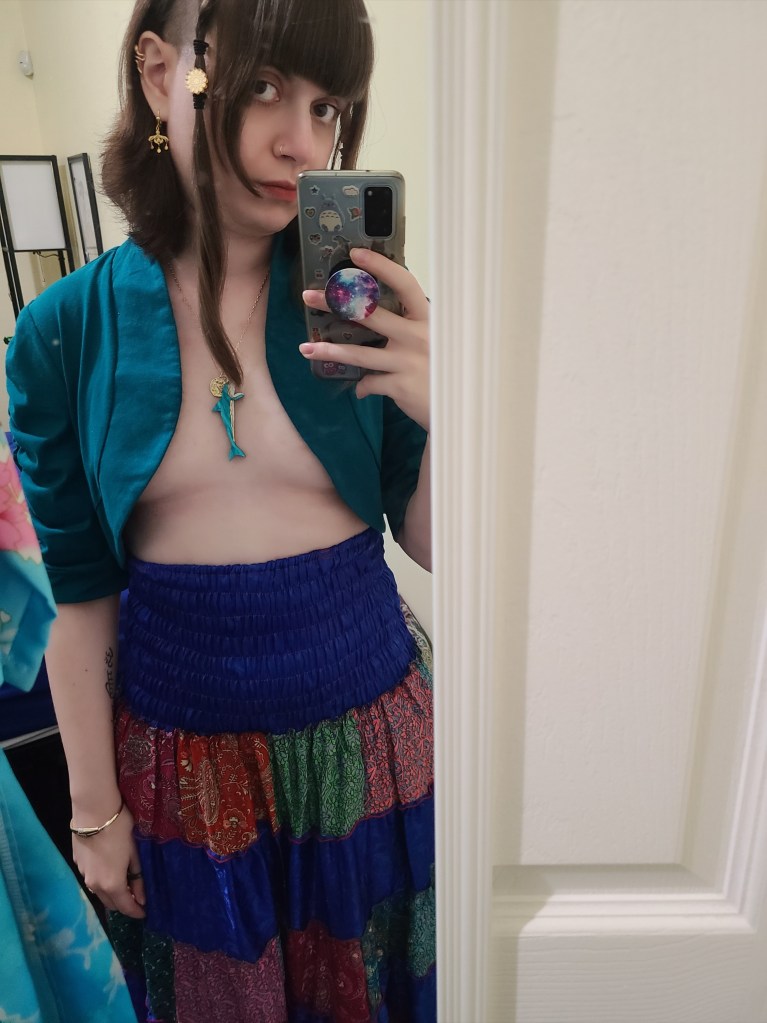
Outfit #1: Blue Color Palette (Inspired by the Dolphin Fresco)
The earrings are replicas of the Malia Pendant (Minoan Bee pendant), which were gifted to me by my coven sibling and crafted by Greek Ancient Jewelry. The dolphin pendant is based off the Dolphin Fresco and was crafted by Plato’s Fire (same with the golden rosette in my hair).
the original Malia Pendant, 1800-1650 BCE
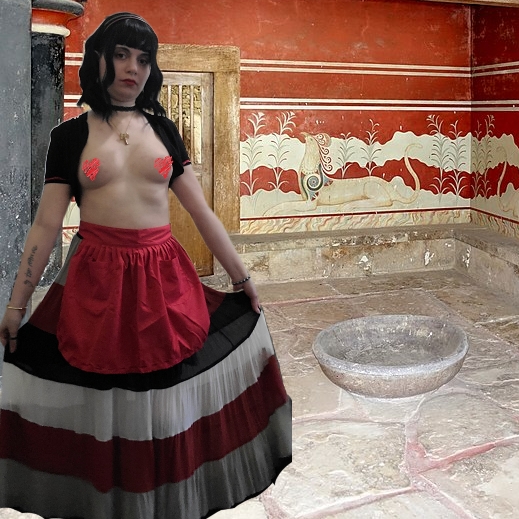
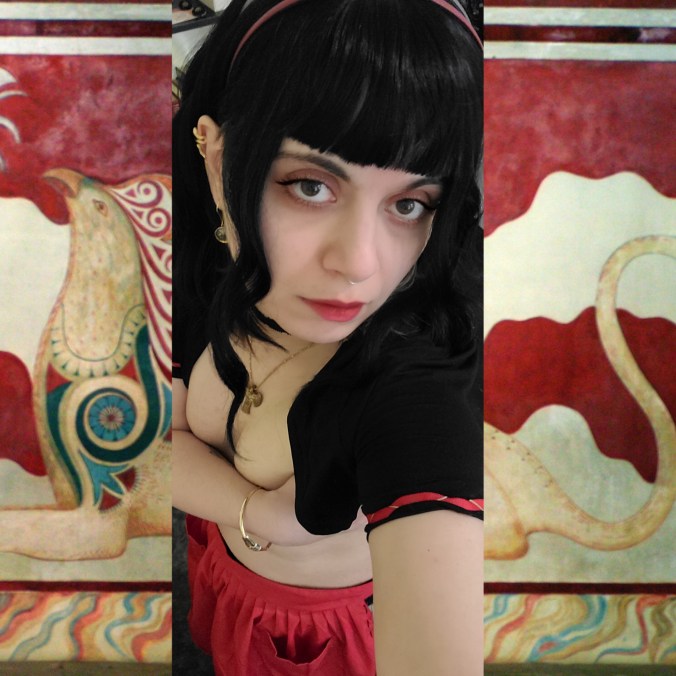
Minoan Outfit #2: Red Color Palette (Inspired by The Griffin Fresco and Throne Room)
The Labrys Snake Goddess pendant was crafted by Dragonscale Jewelry. At the time, I didn’t have any Minoan-related earrings, so I wore my Athena coin earrings from GreekShops.com. I added some red ribbon to the sleeves of my cropped cardigan via my minimal sewing skills. The bare-chested look was a bit bold (not to mention freeing).
This snake-wielding Minoan Goddess (also potentially known as Atana Potnia) is quite the mystery in some ways but distinct in others. Going off of what we do know and her depiction, I’ve compiled a list of ways to honor this deity of Minoan civilization who is considered a precursor to the Ancient Greek goddess of wisdom and warfare, Athena. Go here to find out more about her.
two snake goddess statues
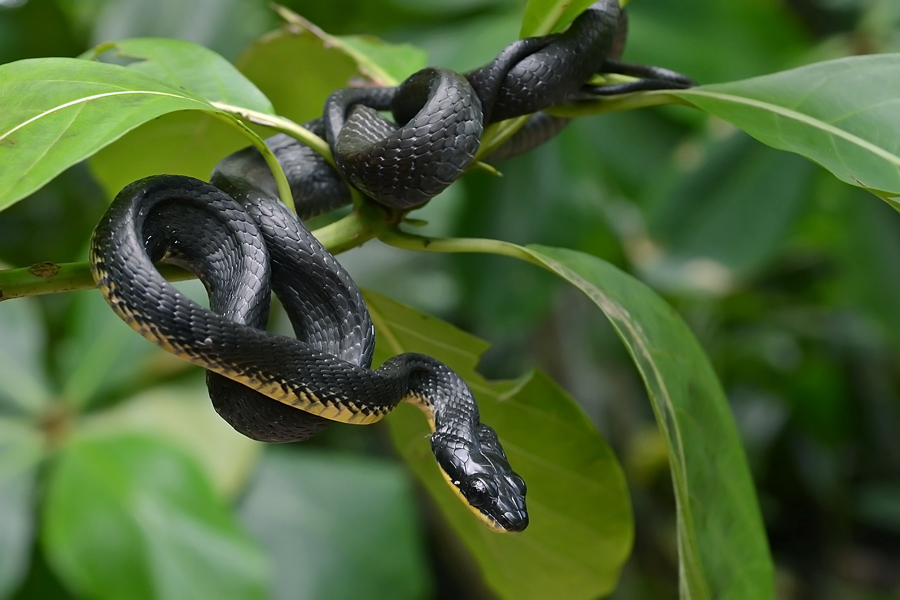
a bird-eating snake
1. Become an advocate of snake conservation.
The snake association of this goddess is evident, with her holding snakes in her hands and all. Here is a renowned serpentine cause: www.savethesnakes.org
a sketch of a Minoan snake device
2. Adopt snakes.
Especially in ancient times, snakes symbolized fertility and rebirth. Bonus points if you’re scared of snakes and still decide to adopt them.
an old artist rendering of Palace of Knossos at its peak
3. Go to the Palace of Knossos, learn more about it, or take a virtual tour.
Snake Goddess and Priestess figurines of varying sizes were found at Knossos in Crete during Arthur Evans’ excavations. I have posted several 3D renditions of the palace here.
various Minoan Goddess artifacts
4. Learn more about your maternal ancestry.
Also referred to as the Mother Goddess, learning more about your mother’s side and paying tribute to those who came before you is a wonderful way to connect with Atana Potnia’s energy.
a sketch of the famous Snake Goddess figurine with the head missing
5. Draw a portrait of her.
Creating art to honor a deity has been a prime devotional act since antiquity. The Minoans were particularly known for their frescoes and use of vibrant color.
6. Identify core childhood wounds and take the steps necessary to nurture yourself.
As a Mother Goddess, Atana Potnia is a nurturing figure by default. In healing ourselves, we in turn heal our ancestors and those we are surrounded by alike.
7. Volunteer at a Women’s Shelter
Female deities seemed to be of central focus for the Minoans. Also, priestesses led ceremonies. That alone tells us how much the Minoans revered the divine feminine. As such, helping women and femmes who have endured domestic violence or other forms of abuse is a good way to honor the divine feminine and thus The Snake Goddess.
8. Wear or make jewelry with snakes implemented into it.
This is a great snake-inspired act to replace adopting a snake if that isn’t feasible. You can find some more information about Minoan jewelry here.
9. Support women/femme-run causes or businesses.
I more or less touched on this in devotional act number 7.
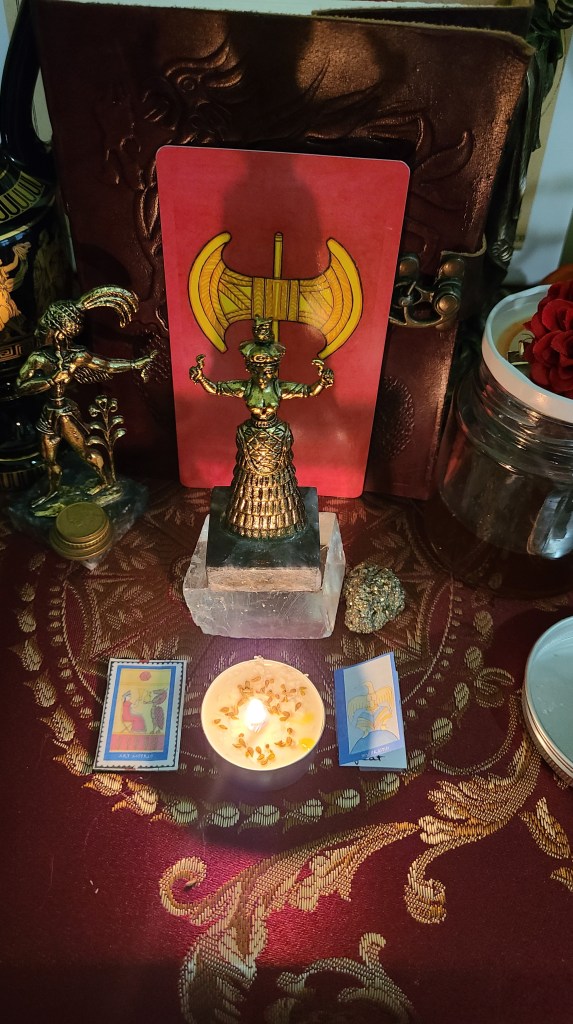
an altar I set up for The Goddess
10. Set up an altar for her.
Sculptures of the Minoan Snake goddess can easily be found on Etsy, which is a solid place to start. I got mine from a gift shop by Knossos. Beyond the snake imagery, implementing owl imagery would work too! In the reconstruction of her sculpture, a cat was added atop of her head. However, cats didn’t seem to be an important symbol to the Minoans. Many speculate that it was in fact an owl (there’s an owl in the replica I have, which you can see in the photo above).
For my 33rd birthday, I decided to honor my Cretan ancestors by conducting a Minoan-inspired ritual. I place emphasis on the word inspired because we don’t know the full scope of Minoan religion, but we are aware of quite a bit from frescoes, statues, and other archeological findings. Therefore, I integrated a mix of my research, Cretan traditions, and intuition. Speaking of ancestry, here’s a post about a mtDNA study that connects modern day Cretans to the Minoans, especially from the maternal line.
Offerings
Based off residue found in various storage vessels throughout Knossos and other palaces, we more or less know what the Minoans ate. So, with that in mind, I filled a bowl with kalamata olives from Crete (you’d be surprised how easy it is to find Greek olives, even if you don’t live in Greece – ask me for recommendations) and another container with Greek honey, which is a known offering to deities in both the Minoan and Hellenic religion.
“Minoan” Music
We can only more or less guess what their music was like, but there are plenty of artists who have created Minoan-inspired tracks with some Ancient Greek flair, so I had that playing in the background during the ritual. Here is one of the songs:
Altar Setup
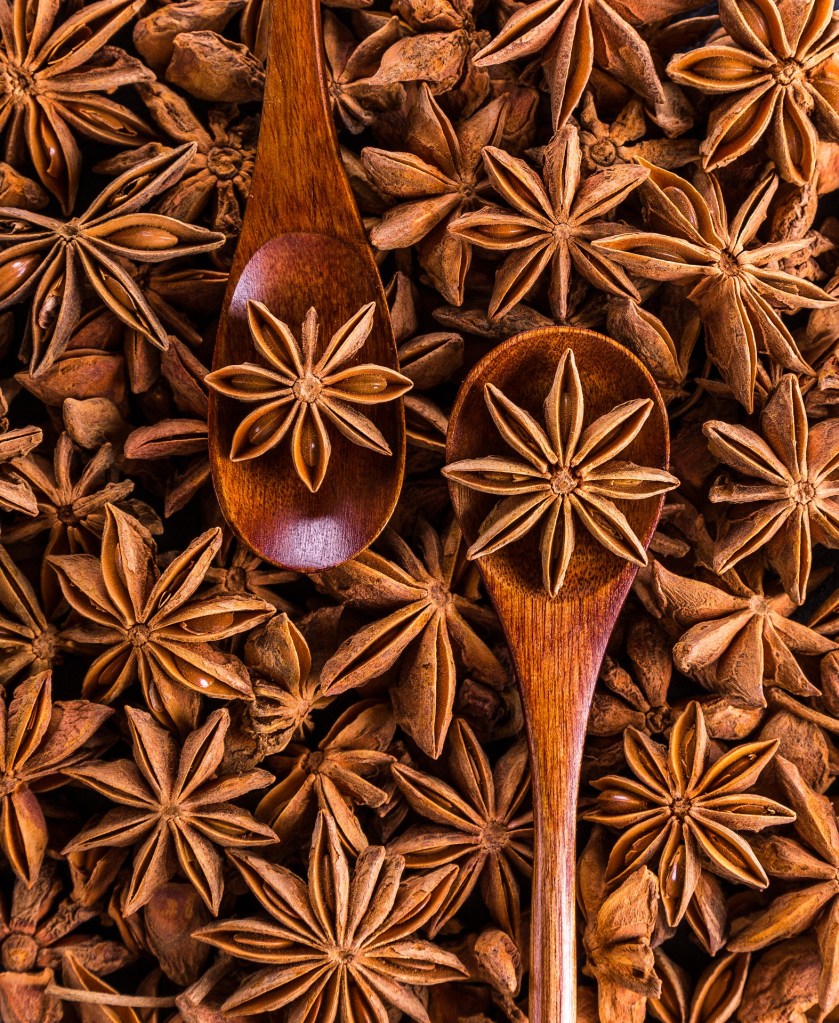
I then set up an altar, mindfully placing a statuette of The Snake Goddess (or Priestess) I bought from Knossos at the center on a square block of quartz with a statuette of The Lily Prince (or Priest-King, or perhaps even deity) alongside her. I also included a candle infused with anise and extra virgin olive oil sourced from Greece as well as incense. Additionally, I carved The Snake Goddesses’ name into the candle: Atano Djuwaja. I ended up walking slowly towards the altar with a ceramic bowl of my offerings to place by her. I included a few photos below so you can see the whole thing:
Ritual Clothing
While I wouldn’t say my outfit is a replica of what is seen on frescoes, I tried my best to find clothing that captured the essence of Minoan fashion. I also used my minimal sewing skills to add some details to the jacket’s sleeves. My apron is a lot less elaborate, but I made do. The style of Minoan women was known for its decorative jewelry, so I wore gold and silver dangling earrings (including snake cuff earrings), gold bangle bracelets, gold rings, and a brass labrys Snake Goddess necklace. I also was generous on the eye-liner to mirror the Minoan (and Ancient Egyptian) cat-eye look.
Minoan Tarot Card Reading
From what we know, the Minoans didn’t use “tarot cards” or anything similar, but my Cretan grandmother passed down a similar card-reading tradition to me. Also, I came across a beautiful Minoan tarot deck by the talented and equally knowledgeable Ellen Lorenzi-Prince (here is my review of the deck) that I just had to buy as a birthday present for myself. The card I pulled was extremely fitting:
Dress provides an opportunity for a person to show on the outside a small part of who they are on the inside. Demonstration of belonging is necessary for the connection of the individual to the group they depend upon. Display is not superficial when meaningful.
-Ellen Lorenzi-Prince
I think this is a good spot to end my post. Thanks for reading! This ritual of mine was deeply meaningful and emotional, and I’m honored to share it with all of you.
*All the images that are not my own (i.e. olives, anise) are from Pixabay.












 Minoan Magissa