The Vibrant Colors of Minoan Crete and Their Unexpected Origins

From a blue that rivaled sky and sea to a purple befitting of royalty, the world of the Minoans was undeniably vibrant. The most prominent hues used in their frescoes in particular included black, white, red, yellow, blue, and green. Pink was the one color that was virtually nonexistent in their art, clothing, and makeup. But where did such striking shades come from? They were all naturally sourced, but the origins of specific colors like purple might surprise you…

In order for the Minoans to create a black pigment as deep as the midnight sky, shale was primarily broken up into a fine dust, then mixed with a binder like olive oil or animal fat. Shale is a fine-grained, clastic sedimentary rock that’s formed from mud. There were and still are plenty of shale formations all across the island, so this color was readily available. Additionally, the oxidation of other minerals like azurite could have very well been used in place of shale. When it came to eye and eyebrow makeup, kohl (a powder made from crushed minerals like lead sulfide or charcoal) was used by Minoan women and men alike.

a piece of shale
a piece of shale

Stark white was sourced from slaked lime. Also known as calcium hydroxide, slaked lime is a pale powdery substance formed when quicklime (calcium oxide) is mixed with water. In addition, talc and calcium silicate were used to paint pottery.

some slaked lime
some slaked lime

More of a reddish-brown, hematite (iron oxide – rust) was the most common source for red, as well as red ochre. When it came to coloring fabrics, dye was extracted from the madder plant’s (Rubia tinctorum) roots.

a piece of red ochre

A naturally-occurring earth pigment, their lively yellow hue featured in frescoes and textiles alike was made from yellow ochre. A more golden variation that happened to be highly UV-resistant was a plant dye derived from weld (Reseda luteola). The most vibrant yellow tint of them all was made by crushing saffron. The stigmas from the crocus flower, saffron was more so used for its medicinal and ritualistic properties by midwives and healers. Mineral pigments like realgar and orpiment produced a more yellowish-orange color.
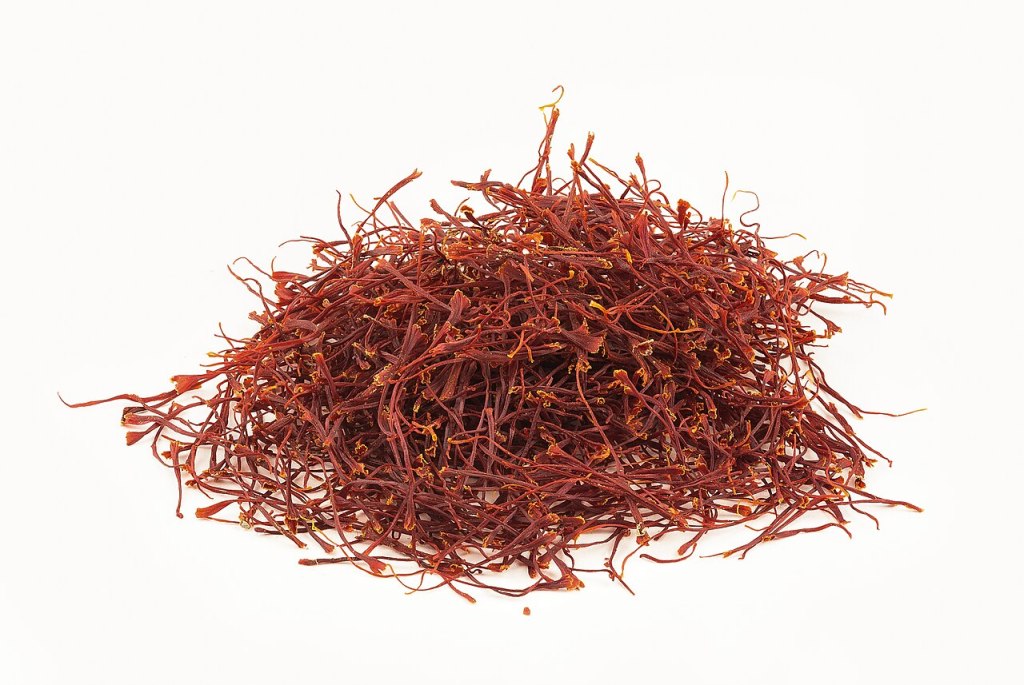
a handful of saffron

Blue, Egyptian blue in particular, was more of a synthetic pigment made by combining ground-up silica, lime, copper, and alkali and then firing it. A natural blue mineral from a metavolcanic rock called glaucophane (or blueschist) was also utilized. The bright blue gemstone lapis lazuli was another viable option.
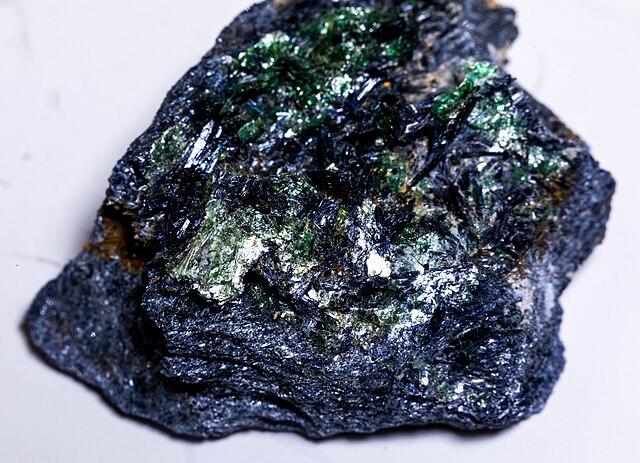
glaucophane, a shimmery blue-green rock
glaucophane

To produce green, the Minoans simply combined yellow and blue in varying amounts to create a wide spectrum of green tints.

Just as the other colors above, purple was indeed naturally-sourced. But it wasn’t from a mineral, plant, or stone. Instead, it was derived from the gland of a mollusk: the murex snail, which was and is still abundant along the Cretan coast. Unfortunately, these sea snails were usually crushed to extract their gland secretions. But what actually yielded the prized purple dye was when it was oxidized and heated. This color has always had an association with royalty, so it’s no surprise that it was a symbol of prestige to Minoans. Archaeological evidence (namely a dye installation on Pefka) suggests that the Minoans were producing Tyrian purple centuries before the Phoenicians. While the snails could be kept alive for multiple dye extractions, they were often killed. This pigment could be modified to also produce a redder shade. Clearly, prestige came at a price, but that didn’t stop the Minoans!
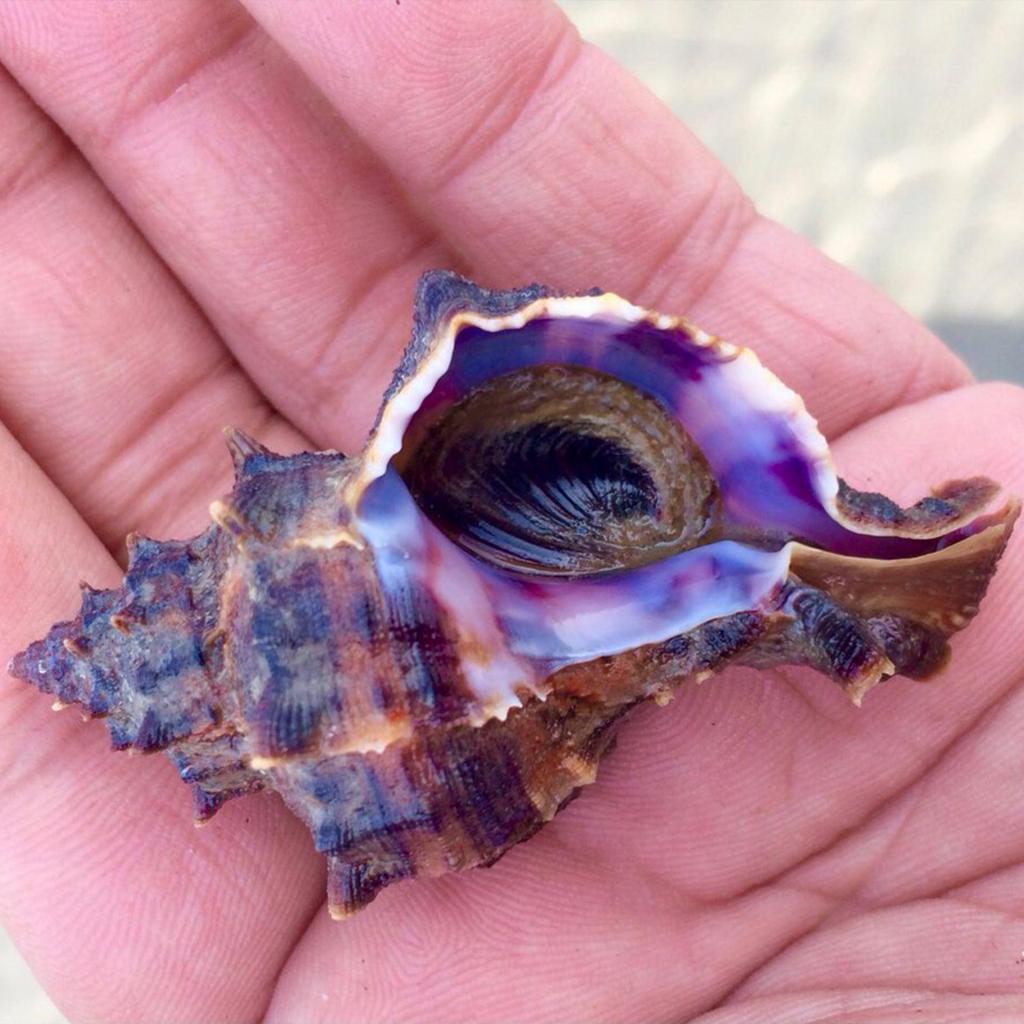
a closeup shot of a murex snail shell
a closeup of a murex snail shell

Striking Modern Art Inspired by Minoan Frescoes & Figurines

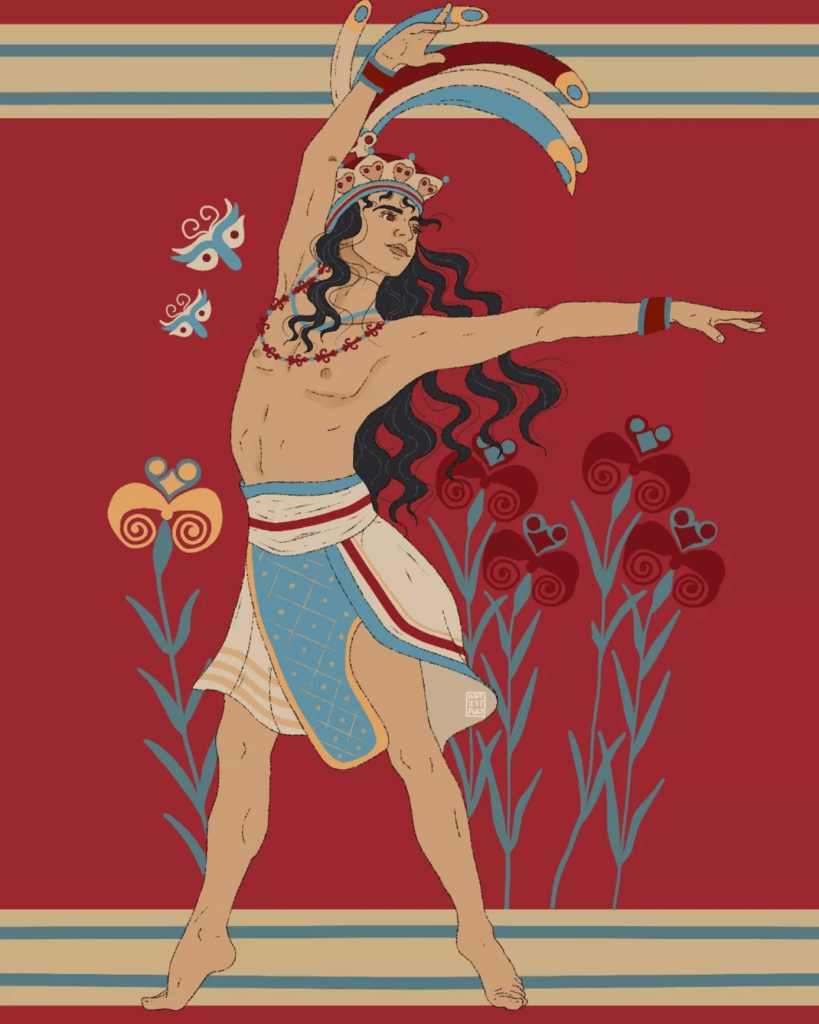
To me, there really is no greater creative endeavor than breathing new life into masterpieces of the ancient world. Not too long ago, I came across a talented digital artist who depicts characters from the Ancient Mediterranean in a way that makes my jaw drop every time. Amongst Ancient Greek gods and heroes, I was most taken by Brittany’s (also known as artistfuly) Minoan-inspired pieces, especially as a Cretan Greek person. It’s amazing how she brings people from frescoes or figurines of antiquity to life!

I have permission to share some of her art on here, but to experience the full scope of her striking artwork, please visit (and follow) her Instagram page and consider supporting her on Ko-fi ❤️. And this should go without saying, but I’m going to say it anyway: Don’t repost these works without credit under any circumstances!

There are about a dozen Minoan-inspired pieces so far, but here are a few of my absolute favorites (which were so difficult to pick because they’re clearly all stunning):

The Minoan Snake Goddess drawn by Brittany (Artistfuly)
Brittany’s rendition of The Minoan Snake Goddess ©
The Minoan Lily Prince drawn by Brittany (Artistfuly)
Brittany’s rendition of The Lily Prince ©

Wearable Minoan Art: Dolphins & Rosettes

Dressing like a Minoan during modern times would certainly turn some heads and even get you some strange looks. Bare-chested bodices and long, vibrant flounced skirts… It’s also no longer practical in this day and age, especially if you live in a colder climate. So, the next best thing is to search for lovers of ancient art who integrate it into their creations! From earrings to sweaters inspired by timeless frescoes, there’s a way to carry Minoan art with you into your everyday life without intricate hairstyles and waist-slimming belts that restrict breathing (and how much you can eat 😆).

Wearable Art with Ancient Flair

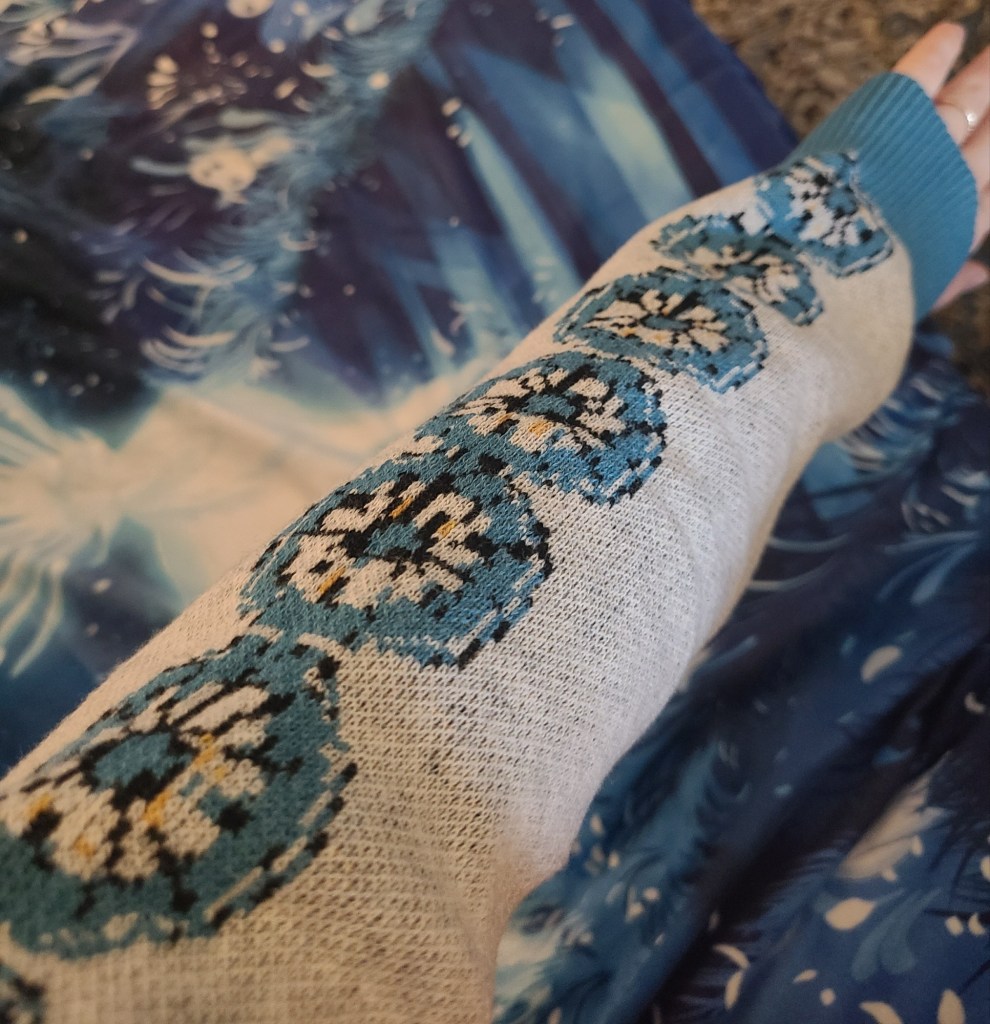
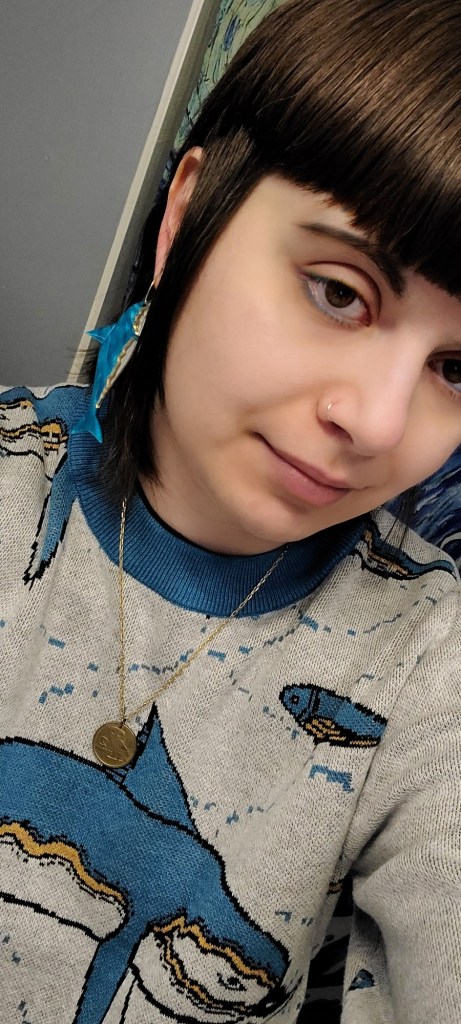
First, I’d like to share photos of a sweater inspired by the Minoan Dolphin Fresco, featuring both the iconic blue dolphins, blue fish, and rosettes 🐬. I initially came across it here on WordPress when looking under the “Minoan Art” tag and did a little happy dance in my computer chair. Greek Myth Comics is full of comics about Greek mythology, but they also host podcasts and create wearable  art! I purchased the sweater you see below here. There are other options as well (from labrys totes to griffin cardigans).

The quality is amazing, the material is comfortable, and the fit is slightly on the larger side, so size down if you’re looking for a snugger fit. By the way, I have not been sponsored in any way. I’m just geeking out and wanted to share in my excitement 😁. You’ll also notice I’m wearing a dolphin earring, so next up is the jewelry!

The dolphin and rosette earrings below were created by Plato’s Fire (Natasha is behind this endeavor, a Classics alumna and talented jewelry-maker based out of Scotland). Sadly, there aren’t as many pieces left from her Minoan collection, but there are still a few dolphin and rosette ones available!

As you can see, the craftsmanship is superb! They are lightweight and made of acrylic. The only issue I’ve had with the dolphin earrings is getting them on and taking them off… The hoop is a bit tricky for me, and my very sensitive ears don’t react too well to the metal if I wear them for long periods of time. But they’re quite versatile, so I wear one of them as a pendant at times or dangle them from the cloth on my altar. Needless to say, these items definitely make a statement!

That’s a wrap! Now all I need to do is go to Knossos again while wearing my Minoan items (not in the heart of summer like last time… let’s just say sunny 100-degree weather is not ideal for checking out ancient sites 😅) and take a photo in front of the Dolphin Fresco. In all seriousness, that would be amazing (and amazingly geeky, but I put the “geek” in Greek so… 😂).

If you’d like to see other Minoan-inspired pieces, go here. I didn’t get to the symbolism of the dolphin and rosette imagery in Minoan art, but that’s because I’d like to devote posts to each symbol at some point, so stay tuned for those. 😊